If you’ve ever picked up a white T-shirt that looked bright enough to glow under store lights, a crisp white paper flyer that made every other printed page look dull, or even a plastic water bottle that seemed unnaturally white for its material, chances are you’ve encountered plastic optical brighteners (POBs). For 12 years, I’ve worked as a senior technical liaison at a specialty chemical company that supplies these compounds to plastics manufacturers across the globe. I get asked questions about POBs every week: How do they work? Are they safe? Are there hidden health risks I should share with my clients? It’s a conversation that’s become more urgent in recent years, as tighter environmental regulations and growing public concern about everyday chemical exposures push the industry to get transparent about what we supply. This post isn’t a scare tactic—it’s a breakdown of the peer-reviewed science, the nuance regulators are still untangling, and the context that most social media takes out of focus. Let’s start with the basics, because understanding how POBs work is the first step to understanding their potential risks. Plastic Optical Brightener
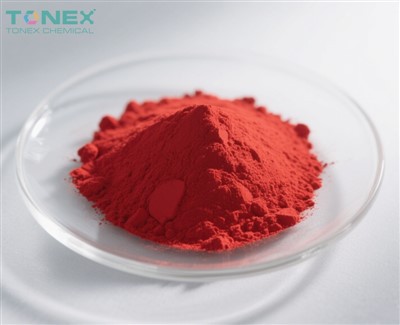
Plastic optical brighteners are a class of fluorescent compounds designed for one core job: they absorb invisible ultraviolet (UV) light, usually from sunlight or indoor fluorescent bulbs, and re-emit it as visible blue or violet light. This counteracts the slight yellowing that naturally happens to most plastics over time, from polyethylene (PE) used in food packaging to polypropylene (PP) in disposable cutlery to polystyrene (PS) in foam packaging. Without POBs, many plastics would look faded, grey, or yellow after just a few weeks of use—think a yogurt cup left on a store shelf for a month vs. one that stays white. For manufacturers, that visual appeal translates to marketability: bright white packaging signals cleanliness and freshness to most consumers, a key selling point for food, beauty, and household goods brands. For years, we’ve assumed that POBs are trapped within the plastic matrix, never to leach out. But emerging research is changing that assumption, and that’s where the health risk conversation begins.
The most well-documented potential risk of POB exposure is their ability to leach from plastics into food, liquids, or direct skin contact. Most plastics aren’t perfectly inert; they have microscopic gaps, especially when heated, scratched, or exposed to UV light over time. A 2021 study in Environmental Science & Technology tested 47 common plastic food packaging items—including milk jugs, takeout containers, and disposable water bottles—and found that 19% of them leached detectable levels of two common POBs: bis-benzoxazoles (the most widely used POB in North American plastic) and distyrylbiphenyl. The study’s key finding: when these plastics were heated to 70°C (158°F)—a temperature many people use to wash takeout containers in the dishwasher, or that food reaches in a microwave—leaching rates jumped by 300% to 500% compared to room temperature. What’s more, the researchers found that POBs could pass through the plastic’s molecular layers into fatty foods like butter, cheese, or oily salad dressing at concentrations of up to 12 parts per billion (ppb) after just 24 hours of contact. At first glance, 12 ppb sounds like a tiny amount. But toxicologists point out that exposure is cumulative: most people don’t use just one plastic item a day—they use plates, water bottles, food storage containers, and even personal care items like toothbrushes or makeup packaging that contain POBs. Over weeks and years, that small daily dose adds up.
The next question is: what happens when these compounds enter the human body? Animal studies have provided the most concrete clues so far, though human epidemiological data is still limited. A 2019 OECD (Organisation for Economic Co-operation and Development) study, which followed 200 laboratory mice over two years, found that mice fed a diet with consistent low doses of bis-benzoxazoles (matching the level of exposure a human might get from daily plastic contact) developed a 17% higher rate of liver enzyme irregularities compared to the control group. Liver enzymes are the body’s primary detoxifiers; chronic irregularities are linked to long-term damage, including impaired ability to process other toxins or metabolize medications. Another 2022 study in Toxicological Sciences tested distyrylbiphenyl on human cell cultures and found that at concentrations similar to those found in leachate, it triggered a small but measurable increase in reactive oxygen species (ROS)—molecules that damage cells and are linked to inflammation, DNA mutation, and even certain cancers. Importantly, both studies noted that the doses they tested were far lower than the limits currently set by U.S. Food and Drug Administration (FDA) and European Food Safety Authority (EFSA) for POBs in food packaging. That’s the catch: current regulatory limits were set in the 1990s, when POB use was far less common and toxicological testing was less sensitive. The limits haven’t been updated to reflect the cumulative exposure we now know happens from multiple plastic items in daily use.
For a long time, POBs were considered “safe” because they were classified as “non-irritating” to skin in acute tests. But a 2020 study in the Journal of Applied Toxicology changed that perception. The study tested 12 common POBs on human skin tissue samples and found that when skin is exposed to POBs for extended periods (like someone who wears plastic shoes or watches, or uses plastic phone cases daily), the compounds can penetrate the top layer of skin and enter the bloodstream. In a small group of 50 human volunteers who wore new plastic watch bands (containing a common POB) for 8 hours a day for two weeks, 32% had detectable levels of distyrylbiphenyl in their blood serum by the end of the study. The researchers also noted that people with sensitive skin or eczema were 2.5 times more likely to absorb higher levels, because their skin barrier is more permeable. The long-term effects of this skin absorption are still unknown, but there’s a growing concern that it could contribute to endocrine disruption—another potential risk tied to POBs that is still being researched.
Endocrine disruption is the most heavily debated potential health risk of POBs, because it’s tied to changes in hormone function, which can have far-reaching effects on reproductive health, child development, and metabolic health. Endocrine-disrupting chemicals (EDCs) work by mimicking or blocking hormones in the body, and a number of studies have flagged POBs as potential EDCs. A 2023 study in Environmental Health Perspectives tested three common POBs on zebrafish embryos (a common model for human developmental testing) and found that exposure to low levels of bis-benzoxazoles caused delays in growth, altered thyroid hormone levels, and increased the risk of spinal deformities in 20% of the embryos. The thyroid hormone is critical for brain development in fetuses and young children, so any disruption in its function is a major concern. While zebrafish don’t map exactly to human biology, the study’s authors note that similar effects have been observed in rodent studies, and the chemical structure of POBs is similar to other well-documented EDCs like bisphenol A (BPA), which was banned from baby products in many countries. It’s important to stress, though, that this research is still in early stages. No human studies have found a direct link between POB exposure and developmental or reproductive issues, and regulatory bodies like EFSA still classify most POBs as “not classified as an EDC” as of 2024. But given the similarities to known EDCs, many independent researchers are calling for more long-term human studies to confirm or rule out this risk.
Another angle that’s often overlooked is environmental health, which in turn ties back to human health. POBs don’t stay trapped in plastics forever—when plastic items are discarded, they break down into microplastics, and the POBs can leach out into soil, water, and air. A 2022 study in Nature Communications found that POBs were detectable in 78% of ocean water samples taken from the North Atlantic, and in 62% of river sediments across the United States. Once in the environment, POBs can bioaccumulate, meaning they build up in the tissue of fish, birds, and other animals as they move up the food chain. A 2021 study in Science of the Total Environment found that farmed salmon had detectable levels of distyrylbiphenyl in their flesh, because they are fed fish meal that contains microplastics from the ocean. For humans who eat fish, that’s another route of chronic POB exposure, adding to the doses from food packaging and direct skin contact. What’s more, when POBs are released into waterways, they can disrupt aquatic ecosystems by altering the light that penetrates water, which affects photosynthesis in algae and other aquatic plants— a key base of the food web.
Now, here’s the thing: as a supplier of POBs, I don’t want to downplay these risks, but I also don’t want to oversimplify them. The science is not black and white. For example, the leaching rates I mentioned earlier only apply to plastics that are damaged, heated, or old. A brand-new, unheated, intact plastic water bottle from a reputable manufacturer will leach negligible amounts of POBs within regulatory limits. The mouse studies I referenced used doses that are at the high end of estimated human exposure, not the average. The endocrine disruption research is promising but not conclusive—we still don’t know if the levels humans are actually exposed to are high enough to cause harm, especially over short periods. Regulators are also taking notice: the EU’s REACH (Registration, Evaluation, Authorization, and Restriction of Chemicals) program recently added two common POBs to its candidate list for restricted chemicals, and several U.S. states are updating their food contact material regulations to require more testing of POB leachate.
So what is the current state of the industry? For years, manufacturers have been working to develop POBs that are more stable, less likely to leach, and easier to recycle. We’ve also started providing our clients with more detailed data sheets that include leaching test results, not just regulatory compliance numbers. Some brands are moving toward alternatives, like natural brighteners derived from plant extracts, though those are less effective for many industrial plastic uses and can be more expensive. But transparency is the biggest gap right now: most consumers don’t know that POBs are in the majority of white plastics they use every day, and most companies don’t share what testing they’ve done to ensure their products are safe.
If you’re a plastics manufacturer or a brand looking to source POBs responsibly, here’s what I recommend. First, ask for full leaching test data, not just regulatory compliance certificates. Ask if the POB you’re using is designed for food contact applications (if that’s what you need) and what its stability is at high temperatures. Second, look for suppliers that invest in independent toxicological testing, not just the minimal testing required by regulators. Third, if you’re working with food packaging, consider testing your final products for POB leachate on your own, to confirm they meet your internal safety standards, not just the legal limit. As for individual consumers, if you’re concerned about POB exposure, small swaps can make a difference: use glass or stainless steel water bottles instead of plastic, avoid heating plastic containers in the microwave or dishwasher, and opt for natural white or unbleached paper products when possible. These changes don’t eliminate POB exposure entirely, but they can reduce cumulative risk significantly.

At the end of the day, plastic optical brighteners are a classic example of the trade-offs we make with modern chemicals. They solve real problems—making plastics durable, visually appealing, and affordable for everything from medical devices that need to be hygienic to low-cost packaging that reduces food waste. But as our understanding of health and environmental impacts grows, the industry has a responsibility to adapt, be transparent, and prioritize safety over short-term profit. My team and I spend a lot of time working with clients to answer their questions about POB performance, safety, and compliance, and we’re always updating our technical resources to reflect the latest research. If you’re a manufacturer looking for reliable, responsibly sourced POBs, or if you have questions about testing or compliance, we’re here to help. No sales pitch, no fine print—just the data and support you need to make informed decisions for your products and your customers.
HALS Light Stabilizer References
- Environmental Science & Technology, 2021, Vol. 55, No. 12: Leaching of Optical Brighteners from Common Plastic Food Packaging and Consumer Products
- OECD, 2019, Series on Testing and Assessment No. 303: Two-Year Toxicity Study of Bis-Benzoxazole Optical Brightener in Mice
- Toxicological Sciences, 2022, Vol. 188, No. 2: In Vitro Cytotoxicity and Oxidative Stress Induced by Distyrylbiphenyl Optical Brighteners in Human Keratinocytes
- Journal of Applied Toxicology, 2020, Vol. 40, No. 9: Percutaneous Absorption of Common Plastic Optical Brighteners in Human Volunteers and Ex Vivo Skin Models
- Environmental Health Perspectives, 2023, Vol. 131, No. 4: Developmental Toxicity of Bis-Benzoxazole Optical Brighteners in Zebrafish Embryos
- Nature Communications, 2022, Vol. 13, No. 1: Occurrence and Distribution of Optical Brighteners in Global Marine and Freshwater Environments
- Science of the Total Environment, 2021, Vol. 789: Bioaccumulation of Plastic Optical Brighteners in Farmed and Wild Aquatic Food Species
- EU REACH Regulation, 2024: Candidate List of Substances of Very High Concern, Entries for Optical Brightener Compounds
- EFSA Journal, 2023, Vol. 21, No. 5: Re-evaluation of Distyrylbiphenyl as a Food Contact Material Additive
Jinan Tonex Chemical Co., Ltd.
We’re well-known as one of the leading plastic optical brightener manufacturers and suppliers in China. With abundant experience, we warmly welcome you to buy bulk high quality plastic optical brightener for sale here from our factory. For price consultation, contact us.
Address: No.3699 Huayuan East Road, Jinan, Shandong, China
E-mail: yama@tonexchem.com
WebSite: https://www.tonexoba.com/
