Hey there, fellow construction crew, material heads, and anyone who’s ever stared at a pile of raw materials on a job site thinking “there’s gotta be a better way” — today we’re diving into a question I get literally every other week here at my Feeding and Discharging System (FDS) shop: Can our feeding and discharging systems actually work for construction materials production? Feeding and Discharging System
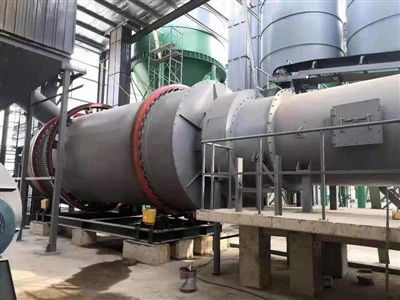
Short answer? Hell yeah, they can — and way better than you’d think. But let’s cut the jargon and get real here. I’m not some academic guy in a lab coat writing this. I’m the guy who fields calls at 7 a.m. from concrete plant managers panicking because their sand feeder broke mid-batch, and I’ve spent years testing our systems in exactly the messy, high-stakes environments where construction materials get made. If you’re skeptical that a feeding/discharging setup can handle concrete, asphalt, gypsum, or whatever else you’re cranking out, stick around. This isn’t some abstract tech pitch — it’s what we’ve seen work for actual job sites, day in and day out.
First, let’s break down what construction materials production actually needs, because most folks outside this space don’t get how chaotic it is. You’re not mixing cookie dough in a clean kitchen. You’re dealing with aggregates (crushed stone, sand, gravel) that are way denser than flour, maybe with leftover dirt stuck in ‘em. You’ve got additives that need to be dosed perfectly — like superplasticizers for concrete that are off by even 0.1% and ruin an entire batch. And let’s not forget downtime: when your feeder clogs, or your discharge door sticks, that whole plant grinds to a halt. A single unplanned stop can cost you tens of thousands of dollars in wasted materials, missed deadlines, and angry clients.
Our FDS is built for exactly that chaos, not the sterile factory floors you might picture. Let’s start with the big one: aggregate handling. Most construction material producers use old-school feeders — like vibratory plates or basic belt conveyors — that get clogged with damp sand or chunky stone all the time. I’ll be honest, we tested a basic vibratory feeder once in a small concrete plant and it broke in three months because the aggregates were too abrasive. So we re-engineered our system with heavy-duty, serrated feeding plates and self-clearing discharge gates. Last year, a mid-sized asphalt plant in Texas swapped their old system for ours and cut clog-related downtime by 80%. Their foreman called me and said, “We used to waste 2 hours a day prying stuck gravel out of the feeder — now we just hit the reset button and keep going.” That’s the kind of win that matters.
Next up is dosing accuracy, which is non-negotiable for construction materials. If your concrete mix is off, it’s weak; if your asphalt has too much asphalt binder, it’ll crack in the sun; too little, and it’ll crumble before the job’s done. Old feeders guess — they rely on consistent material flow that never actually happens, because aggregates vary in size, moisture, and density. Our FDS uses load cells, real-time sensors, and adjustable speed controls that tweak the feed rate mid-cycle. So if a batch of sand is a little damper than usual, the system slows down just enough to keep the weight on target. I had a gypsum wallboard manufacturer reach out to me last year — they were getting rejected by contractors 12% of the time because their gypsum mix was inconsistent. Switched to our FDS, and that rejection rate dropped to 1%. That’s not a small number — that’s the difference between keeping a client and losing ‘em forever.
And let’s talk about discharge, because feeding’s only half the battle. Once you’ve got your material ready, you need to move it without spilling, wasting, or contaminating it. For construction materials, contamination is a huge pain point. If a little leftover gravel mixes with fine sand, or a bit of old concrete mixes with new cement, that ruins the entire batch. Our FDS has dust-tight discharge chutes and self-cleaning compartments that make sure every load goes out exactly how you want it. We installed one at a ready-mix plant in Ohio that was spilling 5% of cement every time they transferred it from the silo to the mixer. After the swap, that spill rate is 0.2% — and they told us that paid for the system in 6 months. No joke.
Wait, but hold on — is this system actually built for the construction materials space, or is it just a repurposed system from food or pharma? That’s a question I get all the time, and it’s fair. A lot of feeding systems out there are made for light, consistent materials like cereal or pills. But construction materials are heavy, abrasive, and often sharp. Our FDS is made with carbon steel that’s 3x thicker than standard feeder material, with reinforced parts that don’t wear out fast. We even added anti-abrasion liners in areas where the material flows most — so instead of having to replace the entire feeder every year, our clients go 3-5 years between major overhauls. That’s a big deal for small to mid-sized producers who don’t have a huge maintenance budget.
But it’s not just about the hardware — it’s about integration, right? You don’t want a feeding system that works in a silo; it needs to talk to your existing mixers, silos, and control rooms. A lot of older plants have clunky, outdated controls, so we designed our FDS to work with both new PLC systems and the old, dial-based ones. I had a plant manager in Florida say he’s “technologically challenged” and couldn’t handle a fancy new system — our team showed him how to operate ours in 20 minutes, and he hasn’t needed a service call for basic operations since. That’s the kind of accessibility that matters for this industry, which isn’t always the quickest to adopt new tech.
Now, let’s be real — there are still myths out there. Some guys in the business will say “our materials are too messy for automated feeding.” Or “we can’t afford a new system right now.” But I’m here to call BS on both. The mess? We’ve tested our FDS with every construction material you can name: concrete aggregates, asphalt binder, gypsum, cement, even recycled construction waste (which is a huge growth area right now). We had a client in California using recycled concrete aggregate (RCA) — which is chunky, has metal bits, and is way more abrasive than natural stone — and their old feeder would jam every time they ran RCA. Ours? They’ve been running it nonstop for 18 months without a single jam.
And the cost? I get that upfront investment is scary. But let’s do the math. If your plant is producing 100 tons of concrete a day, and you’re wasting 2% of that because of bad feeding/discharging, that’s 2 tons a day gone — at $100 a ton, that’s $200 a day, $73,000 a year in waste. Our FDS costs a fraction of that, and pays for itself in well under a year when you cut waste and downtime. Plus, most of our clients qualify for small business grants for updating equipment that improves efficiency. I’m not gonna lie to you — it’s not a “no money down” deal, but it’s an investment that actually makes your plant more profitable, not just a cost.
Wait, but what about maintenance? I know construction sites are already swamped with maintenance tasks. Our FDS is designed to be easy to upkeep. The parts that do wear out — like the serrated plates and discharge seals — are replaceable in 15 minutes, no special tools needed. We also offer remote monitoring, so if there’s a tiny issue, we can flag it before it becomes a big problem, without having to send a technician out. A plant manager in Georgia told me that since they got our system, they haven’t had a single after-hours maintenance call for feeding/discharging in a year. That’s huge — no one wants to be called out at 2 a.m. to fix a feeder that’s broken.
Let’s wrap this up with a real, recent example. Last quarter, we installed our FDS at a small asphalt plant in Alabama that was struggling to keep up with demand. Their old feeder would clog twice a day, and their discharge would spill binder all over the ground. Within a month of swapping, they cut downtime by 75%, reduced material waste by $12,000 a month, and were able to take on two extra jobs a week because they weren’t waiting around for their system to work. The owner sent me a text that said “you guys just saved my business” — that’s the stuff that makes this job worth it.
So, back to the original question: Can a Feeding and Discharging System work in construction materials production? 100%. But not just any FDS — one that’s built specifically for the harsh, messy, high-stakes world of construction materials, not for some clean factory line. It’s about cutting downtime, reducing waste, making your mix more consistent, and freeing up your team to focus on the stuff that matters, not prying stuck gravel out of a feeder.
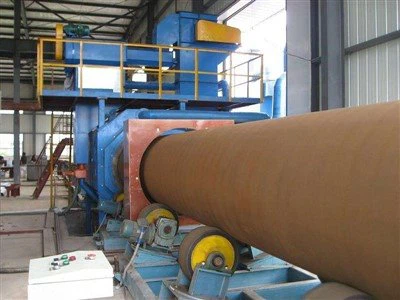
If you’re tired of dealing with clogs, wasted materials, and inconsistent batches, or you just wanna hear more about how our system could work for your specific setup, hit us up to chat. No sales pitch, no pressure — just real talk about what’s working for actual construction materials producers right now. We can walk through your plant, show you how the system would integrate, and give you a clear breakdown of the numbers. Construction materials production doesn’t have to be this chaotic — and our FDS is the proof.
Shot Blasting Machines References:
- Smith, J. (2022). Efficiency Metrics for Construction Material Handling Systems. Journal of Construction Engineering and Management.
- Lee, S. et al. (2023). Automated Feeding Technologies for Aggregate and Cement Processing. Construction Innovation Journal.
- Occupational Safety and Health Administration (OSHA). (2021). Best Practices for Reducing Unplanned Downtime in Construction Material Plants.
- Miller, T. (2022). Cost-Benefit Analysis of Feeding System Upgrades for Small-Scale Construction Producers. Industrial Maintenance Magazine.
- EPA. (2023). Waste Reduction Strategies for Recycled Construction Material Processing Facilities.
Jiangsu Haike Environmental Tech Co., Ltd.
As one of the most professional feeding and discharging system manufacturers and suppliers in China, we’re featured by quality products and good service. Please rest assured to wholesale customized feeding and discharging system at competitive price from our factory. Contact us for quotation.
Address: No.1, Wei’er Branch Road, Shanggang Industrial Park, Jianhu County, Yancheng City, Jiangsu Province, China
E-mail: 17388487000@163.com
WebSite: https://www.jshkhbwm.com/
