When I first started my neodymium magnet supply business a little over five years ago, most of my clients were from consumer electronics, automotive parts, and DIY hobbyist circles. I’d occasionally get a random email from a construction worker asking about these strong, compact magnets for small, random fixes—like holding a level to a steel beam or keeping a tarp taut on a job site. Back then, I’d shoot them off a quick, casual reply saying, “Sure, they work for that!” but I never really thought of neodymium magnets as a serious, integral part of the construction industry. That all changed three years ago, when I met a structural engineer at a trade show who walked me through a project he was designing: a temporary pedestrian bridge for a music festival that needed to go up and come down in 72 hours, with zero permanent modifications to the surrounding concrete or steel. He used 1.2-inch neodymium magnets rated for 500 pounds each to fasten the bridge’s aluminum handrails to support posts, eliminating the need for drill holes that would have delayed the build and required permits to patch later. That conversation flipped a switch for me, and since then, I’ve spent countless hours partnering with construction teams, architects, and facility managers to map out exactly where neodymium magnets aren’t just a handy side tool—but a game-changing, cost-effective solution to longstanding industry problems. Different Uses Of Neodymium Magnets
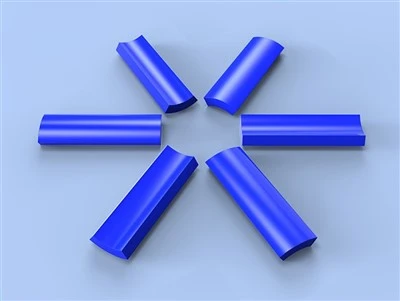
Let’s start with the part that’s often the most stressful for construction crews: temporary work setup. Every job has to be built fast, taken down, and left with as little disruption as possible to the site or nearby structures. For decades, crews have relied on clunky, heavy clamps, threaded fasteners, and adhesive tapes that leave residue, require tools to install, or can’t handle harsh weather. Neodymium magnets solve almost all of that. I recently worked with a commercial framing contractor in Chicago who was finishing up a mixed-use office building. They had to install 400 temporary steel safety signs along the perimeter of the 12-story structure, and using traditional clamps would have taken two extra days of labor (since each clamp had to be tightened with a wrench, and some steel studs had irregular shapes that clamps didn’t fit right on). They switched to our medium-grade neodymium magnets—rated for 350 pounds each, which is more than enough to hold a 10-pound sign steady against wind gusts common 100 feet up. The crew installed every sign in 90 minutes, no tools needed, and when the project wrapped, they just peeled the magnets off and reused them on the next job. No leftover holes, no adhesive residue to scrub off the steel studs, no extra waste. That’s the kind of efficiency construction teams are craving, and neodymium magnets deliver it without sacrificing strength.
Beyond temporary setup, neodymium magnets are transforming how crews handle material logistics on job sites. Large construction sites are like busy puzzle boxes, with steel beams, rebar, plumbing pipes, and electrical components scattered across acres of land. Locating a specific piece of 2-inch rebar at 7 p.m., when crews are rushing to wrap up for the day, used to mean walking hundreds of feet back to the material yard—wasting hours of labor every week. Now, we supply some of our construction clients with custom neodymium magnet-enabled locators. A simple, lightweight wand with a small neodymium magnet tip is run over piles of metal materials, and it gives an audible alert when it hits a matching magnet we’ve embedded in each piece of stock before it’s delivered to the site. One general contractor in Houston told me this cut their material search time by 40% on a recent residential high-rise project, which added up to $12,000 in savings over three months of work. Even better, these magnets are corrosion-resistant (a must for jobs in humid climates like Houston) and rated to last for decades, so they don’t need to be replaced after a single project. That’s a tiny upfront cost that pays for itself in a matter of weeks.
I’d be remiss if I didn’t talk about structural testing, one of the most critical but overlooked parts of construction. Before a building is handed over, teams have to test the integrity of steel beams, concrete anchors, and welds to make sure they can handle the load they’re designed for. Traditional testing often uses hydraulic jacks or heavy weights that take days to set up, require specialized equipment, and can damage materials if not calibrated perfectly. Neodymium magnets have simplified this process dramatically. We supply high-strength neodymium magnets—some rated for over a ton of pull force—to testing labs that use them to attach load cells (devices that measure weight) to steel components without drilling holes or using fasteners that could skew test results. Last year, a team testing a new type of earthquake-resistant steel frame in California used these magnets to mount their sensors. The setup was done in an hour, compared to the usual six hours of drilling and securing brackets, and the test results were more accurate because there was no hardware interfering with the sensor’s reading. What’s more, these magnets are reusable, so labs can move them from test to test without re-buying equipment, which is a huge plus for small testing firms that operate on tight budgets.
Another area where neodymium magnets are making a big splash is in facility maintenance, which is often seen as a “cost center” rather than a priority, but can cause massive delays if ignored. Take elevator maintenance, for example. Every few months, technicians have to check the elevator’s interior panels, wiring, and brake systems. For years, panels were held on with screws, which meant technicians had to carry a screwdriver up and down multiple times during each visit, and often lost small screws in the elevator shaft—creating safety hazards or requiring costly shaft repairs. Now, many elevator manufacturers are switching to neodymium magnet fasteners that hold panels securely in place during routine maintenance. A technician can pop a panel off in 10 seconds with one hand, no tools needed, and pop it back just as fast. I recently worked with an elevator maintenance company in Atlanta that reported cutting their monthly service time per elevator by 30% and eliminating 90% of the small screw losses they used to deal with. That’s safer, faster, and saves money—all from a $5 set of neodymium magnets per elevator. Even for larger facility upgrades, like replacing old HVAC vents in a commercial building, neodymium magnets can be used to hold temporary access panels in place while crews work, eliminating the need for temporary adhesives or bulky clamps that leave marks on ceilings or walls.
Of course, I’ve also run into the skepticism that comes with any new tool in an industry that’s relied on the same methods for decades. Last year, I consulted with a team renovating a 50-year-old hospital in Detroit, and the project manager refused to use neodymium magnets for holding temporary wiring during the electrical rough-in phase. “Magnets can interfere with sensitive medical equipment,” he told me, which is a valid concern. Neodymium magnets do produce a strong magnetic field, so we work closely with clients to size and place magnets correctly, using shielded versions that reduce stray magnetic fields to safe levels (below the 5 gauss threshold that affects most medical devices). For that hospital, we supplied shielded neodymium magnets mounted in non-metallic brackets, positioned at least 3 feet away from critical cardiac monitoring and imaging equipment. The project manager ended up using them for all temporary wiring holds, and later told me it cut his electrical team’s setup time by two days, with zero issues related to magnetic interference. That experience taught me that neodymium magnets aren’t a “one-size-fits-all” solution, but with careful planning and the right product specifications, they work even in highly regulated, sensitive environments.
I’ve been in this business long enough to know that construction teams care about three things above all else: saving time, saving money, and making their jobs safer. Neodymium magnets check all three boxes, in ways that most people—even many in the construction industry—don’t expect. They’re not just a niche tool for hobbyists; they’re a versatile, durable, and cost-effective solution for temporary work setup, material logistics, structural testing, facility maintenance, and even sensitive projects like healthcare renovations.

If you’re a contractor, engineer, or facility manager looking to test how neodymium magnets can streamline your next project, I’m here to help. My team and I work closely with construction professionals to find the right magnet type, size, and shielding for your specific needs, no matter how big or small the job is. We’ve supplied magnets for 1,000-person music festival builds and 10-story office renovations alike, and we’re always happy to walk through how our products can fit into your existing workflow. There’s no pressure, no hard sell—just honest advice from someone who’s built their business around helping industries like construction see the value of neodymium magnets beyond the electronics aisle.
NdFeB Magnet References
- American Institute of Steel Construction. (2021). Temporary Fastening Solutions for Structural Construction: A Field Guide. AISC Press.
- National Institute of Standards and Technology. (2022). Magnetic Field Interference for Sensitive Construction and Medical Equipment. NIST Special Publication 1800-4.
- Construction Industry Institute. (2023). Time and Cost Savings from Non-Permeating Fastening Systems for Site Logistics. CII Research Report 358.
- International Code Council. (2022). Appendix B: Temporary Construction Fastening Guidelines. International Building Code.
- ASTM International. (2021). Standard Test Method for Pull Strength of Permanent Rare Earth Magnets for Construction Applications. ASTM F3125-21.
Zhejiang Guomai Magnetic Material Technology Co., Ltd.
As one of the most professional neodymium magnets manufacturers and suppliers in China, we also support customized service. Please feel free to buy bulk high quality neodymium magnets made in China here from our factory. Welcome to contact us for pricelist.
Address: No.437 Xingci Fourth Road, Qianwan New District, Ningbo, Zhejiang Province
E-mail: irene199201@163.com
WebSite: https://www.gmmagnet.com/
