If you’ve ever shopped for building materials, furniture parts, or even small craft projects, you’ve probably heard both “softwood” and “pine board” thrown around a lot. As someone who’s been supplying pine boards for years, I get why this mix-up happens—softwood is a big category, and pine is one of its most popular members. But they’re not the same thing, and if you’re picking materials for a project, mixing them up can lead to headaches (like warped furniture or boards that don’t hold screws right). Let’s break this down plainly, no stuffy technical jargon, just what actually matters for anyone buying or working with wood. Pine Board
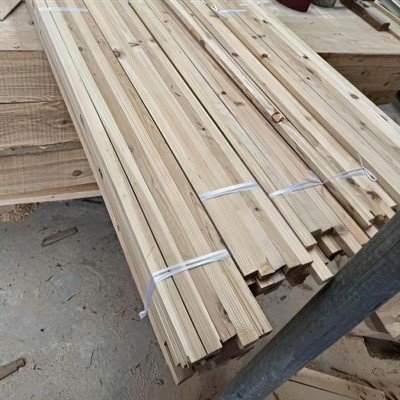
First, let’s clear up the basics: all softwood isn’t pine, but all pine is softwood. Softwood is a general term for wood that comes from coniferous trees—you know, the ones with needles and cones, like pines, spruces, firs, and cedars. These trees grow fast, which makes their wood super common for construction, trim, pallets, and even basic furniture. Pine, though, is a specific type of softwood, specifically from pine trees. Think of it like this: softwood is the entire pizza, and pine is one topping. Makes sense, right?
A lot of folks mix them up because pine is such a go-to softwood for everyday use. When people say “softwood” at a hardware store, they’re often talking about pine, but that’s not all it is. I’ve had customers come to me asking for “softwood boards” for a bookshelf, and once I realized they meant pine, I saved them from buying spruce, which is softer but not as durable for shelves. That’s the kind of small mistake that adds up if you don’t know the difference.
Let’s talk about what makes pine different from other softwoods, because that’s where the practical stuff comes in. Pine boards (the ones we supply) have specific traits that set them apart from, say, cedar or fir. For starters, pine is a little softer than some other softwoods, but it’s way more flexible and easier to work with. You can cut it, drill it, or shape it with basic tools, no fancy equipment needed. That’s why it’s the top choice for DIYers, trim work, and even kid’s furniture. Cedar, on the other hand, is harder and more resistant to rot, so you’d use that for outdoor decks or fence posts, not indoor bookshelves.
Another big one: pine has that distinct natural grain and warm light color. It’s not as dark as fir, and it doesn’t have the strong, smell-of-solvents scent that cedar has. A lot of people love that for staining or whitewashing because the grain shows really nicely, and it takes paint evenly too. But because it’s softer, it can get dented easier than fir or spruce. Drop a heavy tool on a pine board, and you might see a mark right away. That’s why you wouldn’t use pine for a workbench where you’re dragging tools around every day—you’d want a harder softwood for that.
Now, softwood as a whole has its own perks, but it’s not one-size-fits-all. The biggest advantage of softwood (any softwood) is cost. Coniferous trees grow way faster than deciduous hardwoods like oak or maple, so softwood boards are way cheaper. That’s why most new home framing is softwood—you need a ton of it, and hardwood would break the bank. But when you’re buying pine boards specifically, you’re choosing that fast-growing softwood with all the pine-specific benefits: easy to work with, good looks, budget-friendly.
Wait, let’s get into some common uses to make this real. If you’re building a deck, outdoor furniture, or a fence, you’d go for a different softwood than if you’re building indoor trim or a coffee table. For outdoor stuff, you want cedar or pressure-treated softwood to stand up to rain and bugs. For indoor trim, wall paneling, or a beginner’s furniture project, pine is way better because it’s cheap, easy to cut, and looks great finished. A lot of my regular customers—small furniture makers, general contractors doing residential work, even craft shops—come to me because they need pine, not just any softwood. They don’t want spruce, which is too soft and prone to warping, or fir, which is more expensive. They want pine, and that’s where we come in.
Another point people don’t talk about: consistency. Not all pine boards are the same, obviously, but as a supplier, we make sure our pine is kiln-dried to a specific moisture level so it doesn’t warp or shrink once it’s installed. That’s a big deal—if you buy softwood that’s not dried properly, it can twist or crack after a few months. With pine, because it’s softer, it’s easier to dry evenly, so we can guarantee it’s ready to use right out of the package. Other softwoods, like fir, are a bit trickier to dry without cracking, so you might have to wait longer before using them for a project.
Let’s also address a myth I hear all the time: “softwood means soft wood.” Yeah, pine is softer than oak, but it’s not flimsy. A properly milled pine board can hold up pretty well. I’ve seen customers use our pine boards to build bookshelves that hold 50 pounds of books for 10 years, no problem. It’s just that it’s not as tough as, say, a pressure-treated softwood for outdoor use. That distinction is key—softwood is a category based on tree type, not how hard the wood actually is. Pine is technically a softwood, but “soft” in this case refers to the tree’s needle, not the wood’s hardness. That’s a point even a lot of salespeople get wrong, so don’t feel confused if you’ve heard that before.
Now, if you’re in the market for wood, how do you know which one to pick? Let’s break it down quick: if you need something cheap for framing, outdoor structures, or heavy-duty work, look for generic softwood. If you need something for indoor projects, trim, furniture, or crafts, pine board is almost always the way to go. It’s versatile, budget-friendly, and easy to work with. That’s exactly what our company supplies—high-quality pine boards for all those projects. We work with contractors, DIYers, and small businesses, so whether you need one board or a truckload, we can hook you up.
I’ve been doing this long enough to know that most people just want a wood that does what they need, no fancy terms. You don’t have to memorize every softwood species, but knowing that pine is a specific type of softwood, and that it has its own pros over other softwoods, makes a big difference. For example, last month a customer came to us needing boards for a kids’ playhouse. He initially asked for “softwood boards” because he thought it would be strong enough, but when I told him pine is lighter, easier to cut with basic tools, and wouldn’t splinter as badly as spruce, he switched to pine. That playhouse turned out great, and he’s been a repeat customer ever since. That’s the kind of small, helpful difference that comes from knowing the gap between softwood and pine.
At the end of the day, the line between softwood and pine board is simple: pine is a softwood, but not all softwood is pine. If you’re unsure what to pick for your project, don’t guess. Reach out—we can help you figure out if pine is the right fit, or if another softwood would work better. We don’t push people to buy what we have if it’s not what they need. That’s why so many of our customers stick with us. Whether you’re a contractor on a big job, a DIYer working on your first furniture piece, or a craft maker needing small boards, we’ve got you covered.
Don’t waste time or money on the wrong wood. Get in touch today to talk through your project, and we’ll help you get the right pine boards for the job.
Coffin References
- Forest Products Laboratory. (2010). Wood Handbook: Wood as an Engineering Material. U.S. Department of Agriculture.
- American Wood Council. (2022). Softwood vs. Hardwood: Key Differences for Construction.
- Pine Manufacturers Association. (2021). Working with Pine: Properties and Best Practices for Millwork and Furniture.
Dongming Xinang Wood Industry Co., Ltd.
Dongming Xinang Wood Industry Co., Ltd. is one of the most experienced pine board manufacturers and suppliers in China, featured by quality products and good service. Please rest assured to buy CE approved pine board made in China here from our factory. For price consultation, contact us.
Address: Zhangjie Village, Datun Town, Dongming County, Heze City, Shandong Province
E-mail: xinangwooden@163.com
WebSite: https://www.xinangwooden.com/
