Alright, let’s cut to the chase—if you’ve ever worked with busbars (you know, those thick copper/aluminum bars that move massive electrical current around panels, substations, or even big commercial buildings), you’ve probably dealt with tension clamps. I’m from a busbar accessories supplier, so we sell a metric ton of these things, and let me tell you, most folks don’t get what they actually do beyond “hold the bar tight.” Today, I’m breaking it down like I would for a new apprentice on our shop floor—no stuffy engineering jargon, just real talk about how these clamps work, why they’re non-negotiable, and why skimping on them is a recipe for disaster. Busbar Accessories

First off, let’s set the scene. Busbars don’t just sit there static, right? When current flows through ’em, they get hot—super hot. Like, maybe 100°F to 200°F, sometimes more if there’s a heavy load. Then when the power cuts, they cool down and shrink. And it’s not just temperature—busbars vibrate, too. Think about a factory with 24/7 heavy machinery, or a substation where the grid’s cycling load all day, every day. All that expanding, contracting, vibrating? If you just bolted the busbar down with a regular old clamp, you’d have a problem fast. The bar would warp, the bolt would snap, and suddenly you’ve got a loose connection that arcing, which leads to melted parts, downtime, maybe even a fire. Yeah, no thanks. That’s where tension clamps earn their keep.
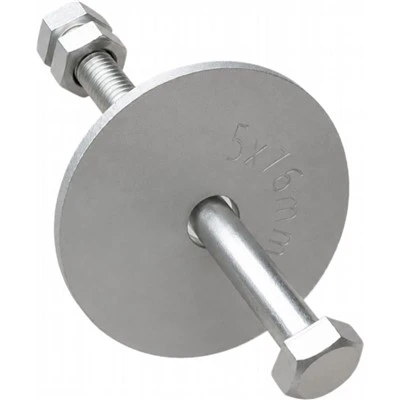
So what makes a tension clamp different from a regular clamp? Let’s start with the core design. Most standard clamps are rigid—they squeeze the busbar tight and hold it at a fixed distance. Tension clamps? They’re spring-loaded (usually with high-tensile steel springs, sometimes coated to resist corrosion) and have slotted mounting holes, not just plain bolt holes. That’s the magic combo right there. Here’s how it works step by step, real simple:
- The Mounting Base: You bolt this down to the frame of your panel or substation. It’s got those slotted holes—so the clamp can move a little, not fixed in one spot.
- The Jaw Assembly: This is the part that actually grabs the busbar. It’s lined with copper or aluminum (match the busbar material, by the way—we always stress that because dissimilar metals cause corrosion, big no-no) and has a flat surface so it doesn’t scratch the bar, which would mess up conductivity.
- The Tension Element: The spring, or sometimes a Belleville washer stack (those are those little cone-shaped washers that stack up, they’re great for holding consistent tension). This is the key. When the busbar heats up and expands, it pushes the jaw assembly away from the mounting base. The spring compresses just enough to absorb that extra length, so you’re not cranking the bolt tighter and tighter when the bar grows. Then when it cools, the spring relaxes, pulling the jaw back tight so the bar doesn’t slosh around or get loose.
Wait, let’s test that with a real example I saw last quarter. A mid-sized manufacturer in Ohio called us up panicking because their main busbar had warped so bad it knocked out their packaging line for 3 days. They’d used regular clamps, so when the bar heated up, it couldn’t expand—so it bent like a paperclip under pressure. We sent ’em a set of our standard tension clamps (model TC-100, for anyone who cares) and explained the fix. After installing, their maintenance guy texted me a pic a week later, saying no warping, no loose connections, even after running the line 24/7 for a month. That’s the payoff right there.
Now, let’s talk about why the spring is such a specific type. We don’t use cheap springs from the hardware store—they get rusty or lose tension after a few cycles. Our tension clamps use 304 stainless steel springs, rated for 10,000+ temperature cycles. That matters because every time the bar heats and cools, the spring is compressing and extending. If it wears out, you’re back to the same problem: loose, warped busbars. Also, the slot in the mounting base is precision-machined, so there’s zero play beyond what the spring can handle. No sliding around more than it should, no rattling, no unnecessary tension on the bolt.
Another big thing people sleep on: tension clamps aren’t one-size-fits-all. We stock ’em for busbars from 10mm x 5mm up to 100mm x 10mm (yeah, that’s a thick bar—used for big industrial setups). The spring tension is calibrated for each size. A tiny busbar for a control panel doesn’t need the same spring strength as a main distribution busbar for a hospital. If you put a heavy-duty clamp on a small bar, you’ll cramp its expansion, and if you put a light clamp on a big bar, the spring can’t absorb enough expansion, so the bolt still stretches. We actually have a cheat sheet on our site (I can’t post links here, but our team sends it over in 2 minutes) that tells you exactly which clamp you need based on busbar size and max load.
Wait, let’s get into the science nerd stuff for a sec, because I know some of you are wondering. The coefficient of thermal expansion for copper is about 17 x 10^-6 per °C. So if you have a 10-foot copper busbar, a 50°C temperature swing (super common, from room temp to operating temp) makes it expand about 0.1 inches. That’s not nothing—0.1 inches is enough to bow a bar if it’s held tight at both ends. The spring in our tension clamp is calibrated to exert a constant force (usually around 50-200 lbs, depending on the model) that counteracts the thermal expansion force. We test every single clamp we ship in-house: we heat a test busbar to operating temp, measure how much it expands, check that the spring is holding the clamp tight, and make sure there’s no more than 0.01 inches of movement—enough to let the bar breathe, not enough to cause arcing.
Now, let’s bust a common myth: people think tension clamps are just for big industrial jobs. Nope. We sell a ton of ’em to electrical contractors doing residential high-end panels (like those whole-home solar systems that crank out a lot of power) and even to small commercial shops. The same expansion happens in a 2-foot busbar in a home panel—just not as much, but enough that a regular clamp can loosen over time, leading to loose connections and higher resistance (which makes the bar hotter, a vicious cycle). Tension clamps fix that, so your panel runs cooler and safer.
Another thing I’ve seen go wrong: dissimilar metals. If you use a steel clamp on an aluminum busbar, you get galvanic corrosion. That’s when two different metals touch in the presence of moisture, and one eats away the other. We always line our clamp jaws with the same metal as the busbar—aluminum for aluminum bars, copper for copper. It’s a small detail, but it’s why our customers don’t have to replace clamps every 2 years because of corrosion. We also add a zinc coating to the steel mounting bases to resist rust, so they work even in outdoor substations or damp factories.
Let’s walk through a quick installation, because that’s another thing people mess up. You don’t just crank the bolt tight! Here’s the right way (we train all our customers on this):
- Pre-fit the busbar, mark where each clamp goes, drill the holes for the mounting base.
- Bolt the mounting base down loosely, then slip the busbar into the clamp jaws.
- Torque the clamp’s top bolt to the manufacturer’s spec (we print that right on every clamp package—no guessing).
- Leave the mounting base bolts slightly loose so the slotted holes can move freely.
- Power on the system, let the busbar heat up to operating temp, check that the clamp is holding tension (our clamps have a little indicator mark—if the mark lines up, you’re good; if not, adjust the bolt slightly).
- Once it’s cool, double-check, and that’s it. No over-tightening, no under-tightening—just consistent tension that accounts for expansion.
I’ve been in this busbar accessories game for 8 years, and I’ll tell you: the difference between a project that runs for 10 years without a hitch and one that’s a constant headache is usually the little stuff. Tension clamps aren’t flashy—they don’t have lights or digital screens—but they’re the unsung heroes that keep electrical systems safe and running. I’ve seen a substation where the main busbar would have snapped in 2 years with regular clamps, and with our tension clamps, it’s been going strong for 7 years now, no issues.
Here’s the deal: if you’re working on a busbar setup, don’t cut corners on clamps. Cheap rigid clamps might save you a few bucks upfront, but when you have to fix a warped bar or an arcing connection that takes your whole factory down for 3 days, that loss is way more than the cost of good tension clamps. We’ve got options for every need: standard clamps for indoor panels, weather-resistant ones for outdoor use, even low-profile ones for tight spaces (like control cabinets where there’s barely room to fit a clamp).
If you’re looking for a tension clamp supplier that actually knows their stuff, we’re here. We can help you figure out exactly how many you need, what size works for your busbar, and even answer any tech questions you have—no sales pitchy nonsense, just real advice from people who work with these parts every single day. Hit us up for a free quote or to chat through your project, no obligation.
And before I wrap this up, let’s shout out the basics: tension clamps work by combining precision slotted mounting, high-tension calibrated springs, and matching metal jaws to absorb thermal expansion and vibration, keeping busbars tight, free of warping, and connected without arcing. They’re not magic, but they’re engineered to solve a specific problem that every busbar system faces, and ignoring that problem leads to big headaches.
Thanks for sticking with me—next time you’re under a panel or at a substation, take a look at those clamps. Chances are, the good ones are tension clamps doing their job out of sight. If you need any for your next project, we’ve got you.
Busbar Packing Machine References:
- Electrical Construction & Maintenance. (2021). Thermal Expansion of Busbars: Mitigation Strategies. EC&M Media.
- NEMA Standards Publication 250-2018. Busbar Clamps for Electrical Power Distribution Equipment. National Electrical Manufacturers Association.
- Copper Development Association. (2019). Busbar Design and Installation Best Practices. Copper.org.
Suzhou Kiande Electric Co., Ltd.
Suzhou Kiande Electric Co., Ltd. is one of the most professional busbar accessories manufacturers and suppliers in China, also supports custom service and OEM&ODM service. Welcome to buy durable busbar accessories made in China here and get quotation from our factory. Quality products and reasonable price are available.
Address: No.123, Suzhou Avenue East, Suzhou Industrial Park Suzhou, Jiangsu 215000 China
E-mail: saleswmkc@kiande.cn
WebSite: https://www.busbarcncmachine.com/
