If you’ve ever spent time around a sheep operation—whether you’re a smallholder tending to a couple of ewes and their lambs or running a commercial farm with hundreds of head—you know that sheep hurdles aren’t just metal panels strung together. They’re the backbone of your flock’s management system: they keep shy, skittish sheep from panicking during mustering, split groups for health checks or shearing, and create temporary grazing areas that protect pastures from overgrazing. As a sheep hurdles supplier, I’ve spent thousands of hours walking farm fields with my clients, showing them how to spot damage before it becomes a problem. It’s not rocket science, but there are a few key checks that separate a quick fix from a costly, stressful breach that can lead to lost stock, injured animals, or wasted time. Sheep Hurdles
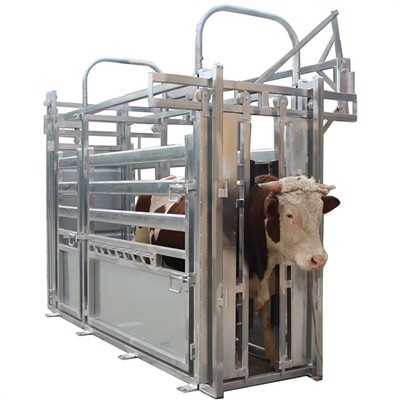
I’ve seen too many farmers brush off a small bend in a hurdle leg or a rusty weld, only to have that weak spot snap during a heavy rain or when a ram rams against it out of frustration. Last spring, a client in the Welsh Marches called me in a panic at 6 a.m. The night before, a section of his hurdle line had collapsed, and 12 ewes had wandered into a neighboring field, trampling a neighbor’s hay bale and getting stuck in a muddy ditch. The root cause? He’d noticed a tiny crack in a weld on one corner panel two months prior, but assumed it would hold. That’s the mistake I want everyone to avoid: inspections shouldn’t be a one-and-done chore after setting up hurdles. They need to be regular, thorough, and tailored to how you use your equipment.
Let’s start with the basics: when to inspect. I advise all my clients to do a full visual check at least once a month, plus a quick walk-through every time you move hurdles to a new field or use them for a specific task (like lambing pens or a sale yard holding area). If you live in an area with heavy frost, high winds, or frequent rainfall, you should add extra checks right after extreme weather—those conditions put more stress on metal, and even a small flaw can turn into a failure overnight. I also make a point to remind new customers that hurdles take a beating from the things around them: barbed wire fences, tractors dragging equipment, even curious dogs or foxes. Inspections aren’t just about the hurdles themselves, but how they interact with their environment.
Now, let’s get into the actual inspection steps, broken down by part of the hurdle. First, the frame and structure. Start with the legs—they’re the foundation, right? For most standard sheep hurdles, that means two parallel metal legs at the bottom of each panel, 1.2 to 1.5 meters apart, designed to sit in the soil. I’ve found that the most common damage here is bending, either from being dropped during transport, pushed over by a ram, or settling in soft, waterlogged ground. To check legs, I run my hand along the entire length of each one, feeling for bends that aren’t just a slight lean. If a leg is bent more than 10 degrees from straight, it’s not going to hold up when you put pressure on the panel—especially if you’re using it in a high-traffic area like a holding pen. Another thing to look for is rust at the base of the leg, where it meets the soil. Moisture trapped in the soil eats away at metal, and rust that’s eaten through even 1mm of the leg can cause it to snap. If you see flaky, brown rust around the base, grab a wire brush and scrub it off, then hit it with a coat of anti-rust paint before it gets worse.
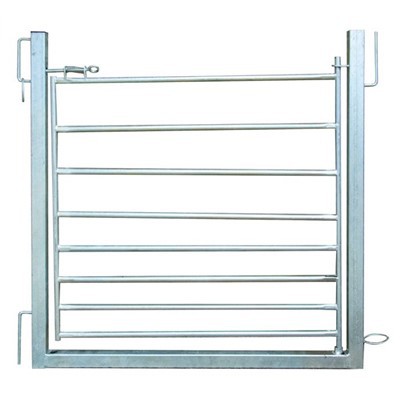
Next, the main horizontal and vertical rails that form the body of the hurdle. These are the parts the sheep see and push against. Look for any dents, bends, or cracks along their length. Dents aren’t usually a big deal if they’re small, but a deep dent or a bend in the middle of a rail can weaken the entire panel. Cracks are far more serious—even a small crack in a rail can spread quickly when a sheep butts the panel. I always advise my clients to test the rails by giving each one a firm push with both hands. If it wiggles or feels loose, there’s a problem that needs fixing. Another common issue here is wire mesh or infill damage. Many sheep hurdles have a wire grid between the rails to keep lambs from squeezing through gaps. Check every inch of that mesh for broken wires, bent bars, or gaps wider than 10cm—lambs can easily squeeze through gaps that are too big, and that’s how you end up with lost stock. I once had a client whose lamb got stuck in a gap just 12cm wide; it had wedged itself in and couldn’t get out, and by the time he found it, it was dehydrated and stressed. Avoid that by taking five minutes to kneel down and run your fingers along the mesh, checking for any openings that could let a lamb through.
Welds and fasteners are the next critical area. Most sheep hurdles are either fully welded or bolted together, and these points are where the panel is most likely to come apart. Welds, in particular, are vulnerable to rust and stress over time. Look for welds where the rails meet the legs, where the horizontal rails connect to each other, and where the mesh attaches to the frame. A good weld is smooth, with no gaps or pitting; a bad weld will have rough edges, cracks, or signs of rust around it. If you find a faulty weld, don’t try to fix it with a cheap DIY weld from a garage kit—most farm environments are damp, so a temporary weld will corrode within months. Instead, either have a professional welder repair it, or replace the panel if the weld damage is severe. For bolted hurdles, check every bolt and nut to make sure they’re tight and not rusted. I’ve seen bolts snap because they were left loose during transport, and that can cause an entire section of hurdles to collapse. Keep a spare set of nuts and bolts in your farm toolbox—standard sizes for sheep hurdles are easy to find at most farm supply stores, and replacing a loose bolt takes two minutes and saves you from a bigger headache later.
Wait, there’s one part I almost forgot: the end connectors. These are the metal hooks or clamps that link one hurdle to the next, and they’re often the first thing to wear out. When two hurdles are hooked together, the connectors take all the force if a sheep pushes against the line, so they need to be in perfect shape. Inspect each connector for bends, rust, or broken tips. A bent hook won’t lock securely, and over time it can slip off, leaving a gap in your fence. I once had a client who lost three sheep in one night because a connector on the end of a hurdle had bent during a move, and the panel shifted just enough to create an opening. The sheep snuck out and wandered onto a main road, and it took three hours to round them up (and a trip to the vet for one that was hit by a car). It’s a story I share with every new customer, because it’s such a preventable mistake. If your connectors are rusty, scrub them down and lubricate them with WD-40 or a light oil every few months—this keeps them moving smoothly and prevents them from seizing up. If a connector is broken, replace it right away; don’t try to bend it back into shape, because metal fatigues and will break again soon.
Once you’ve done your inspection, what do you do if you find damage? Small issues like a loose bolt, a minor rust spot, or a small bend in a leg can be fixed quickly on the farm. I keep a small supply of repair parts on hand for my regular clients, including spare welds, bolts, and wire mesh sections. For a bent leg, you can use a pipe clamp or a come-along to straighten it if the bend isn’t too severe—just make sure to support the panel while you do it, so you don’t damage more of the frame. For larger issues, like a cracked rail or a faulty weld, it’s usually better to replace the panel rather than risk it failing later. I always tell my clients that spending £50 on a new panel is cheaper than the cost of a lost sheep, a vet bill, or the time it takes to sort out a breach.
I also have a few pro tips that I’ve picked up over the years working with sheep farmers, tips that make inspections easier and more effective. First, keep a log of your inspections. I know it sounds like extra work, but jotting down when you checked the hurdles, what damage you found, and when you fixed it helps you spot patterns—like if a certain section of hurdles on your north field is always getting rusty because of the damp soil. Second, inspect in good light. If you do it at dusk or in a muddy field, you’ll miss small cracks or gaps that could be a problem. Third, bring a small tool kit with you on inspection days: a wire brush, a wrench for checking bolts, a hammer for tapping on welds to see if they’re loose, and a pen and notebook for logging issues. You’ll be able to fix small problems on the spot instead of having to come back later.
As a sheep hurdles supplier, my job isn’t just to sell you a set of panels—it’s to make sure those panels work for you long after they’re delivered. That’s why I include a free inspection guide with every order, and I offer follow-up calls to new customers in their first six months of use to answer questions or walk them through any issues they’re seeing. I’ve built my business on trust, and that means being there when something goes wrong, whether it’s a small bent leg or a big problem that needs replacing.
At the end of the day, sheep hurdle damage isn’t something to panic about, but it’s not something to ignore either. A 10-minute inspection once a month can save you hours of stress, hundreds of pounds in losses, and keep your flock safe and contained. If you’re in the market for durable, long-lasting sheep hurdles, or if you have questions about inspecting or maintaining the ones you already own, feel free to get in touch to discuss your needs.
Cattle Corral Panels References:
- MAFF. (2021). Farm Animal Welfare Code: Sheep. Department for Environment, Food & Rural Affairs.
- British Standard 6675:1986. Specification for sheep hurdles and portable sheep fencing. British Standards Institution.
- Radostits, O. M., Gay, C. C., Hinchcliff, K. W., & Constable, P. D. (2007). Veterinary Medicine: A Textbook of the Diseases of Cattle, Sheep, Pigs, Goats and Horses. Elsevier Health Sciences.
- National Farmers’ Union (NFU). (2022). Farm Infrastructure Guide: Portable Livestock Fencing. National Farmers’ Union.
Hebei Honde Industrial Trade Imp & Exp Co., Ltd.
With abundant experience, we are one of the most professional sheep hurdles manufacturers and suppliers in China. We warmly welcome you to wholesale high quality sheep hurdles for sale here from our factory. We also accept customized orders.
Address: Room 1904, Yintai International Building, No.36 Guang’an Street, Shijiazhuang, Hebei, China
E-mail: Helen@hbhonde.com
WebSite: https://www.hondelivestocksupply.com/
