Hey there, it’s Mike from the cutting wheels team here at [my company]—the guy who spends way too long testing blades in our workshop after hours and gets asked at least once a week by woodworkers, DIYers, and even some metal shop folks: “Wait, are there cutting wheels specifically for wood?” I get it—for years, when people think of cutting wheels, they picture the gritty, gray discs that scream through metal, leaving sharp edges and metal shavings everywhere. Wood feels softer, more prone to splintering, so why would you use a cutting wheel for that? Let’s break this down, not with fancy jargon, but with the stuff I’ve learned on the job, from fixing customer mistakes to helping a small furniture maker switch up their workflow last month. Cutting Wheels
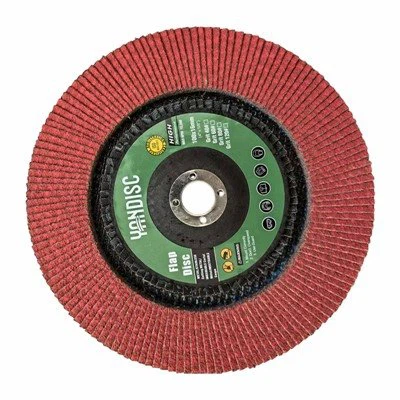
First off, let’s clear up the basics: Yes, there absolutely are cutting wheels designed for wood. But not the random grinding discs you’d grab for a steel pipe—those will turn a 2×4 into a ragged, smoking mess in 10 seconds flat, and probably send splinters flying like tiny daggers, too. The key difference is grit, bond type, and blade design—all things we engineer here for different uses, because not all wood is the same. You wouldn’t use a heavy-duty metal cutting wheel to trim a thin balsa model kit part, right? Same logic applies here.
Let’s start with why someone would even reach for a cutting wheel for wood, instead of a circular saw blade or a handsaw. For a lot of tradespeople, it’s about speed and versatility. Take that furniture maker I mentioned, Jake, who makes custom dining tables. He was spending 20 minutes trimming thick oak planks with a bandsaw, then another 15 sanding the edges to get them smooth enough for finishing. We hooked him up with our 12-inch ceramic grit wood cutting wheel, and he cut that same plank in 4 minutes flat—no more bandsaw tear-out, and the edge was so clean he only spent 3 minutes sanding. He even started using it to trim down metal edging he adds to table bases too, so he’s not switching between tools mid-job anymore. That’s the real win here: multi-tool flexibility, without sacrificing quality.
Now, let’s get into what makes a wood cutting wheel different from a metal one. Most metal cutting wheels use a hard, rigid bond and coarse, sharp grit (think 24 to 36 grit) to carve through dense metal. Wood, though, is porous, full of grain, and has a tendency to splinter when cut too aggressively. So our wood cutting wheels use a much finer grit—usually 60 to 80 grit for general purpose, and even 100 grit for more delicate work like plywood or MDF. The bond is softer, too, so the grit wears down slowly as it cuts, instead of digging in too deep and tearing out wood fibers. We also add a thin layer of resin that dissipates heat—huge, because wood can char if you use a disc that runs too hot, especially on softwoods like pine or cedar.
Wait, but hold on—what about safety? A lot of guys I talk to are skeptical, worried that a cutting wheel for wood is going to kick back or break. That’s a fair concern, and it’s why we test every single disc we ship to make sure it meets OSHA standards for rotary tools. The biggest safety tip we always push is to use the right wheel on the right tool. A 7-inch wood cutting wheel works on a grinder, for example, but you never want to run a grinder faster than the disc’s rated RPM— that’s how discs crack and shatter. Also, always clamp your wood down, same as you would with a saw, and wear eye and ear protection—even a clean cut can throw tiny wood particles, and a spinning disc is no joke. I’ve seen a guy skip that once, and a tiny wood chip nicked his eyebrow—no fun, so don’t skip the safety gear.
Let’s talk about the different types of wood cutting wheels, because there’s no one-size-fits-all. First, there’s the general-purpose wood cutting wheel, which is what Jake used. It works on all common woods—oak, maple, pine, even pressure-treated lumber—with minimal tear-out. We make these in sizes from 4-inch for small angle grinders up to 16-inch for large cut-off saws, so you can use them for trim work or full-length planks. Then there are specialty ones, like the plywood cutting wheel. Plywood has thin cross-grain layers, so a regular wood disc will often split those layers. Our plywood-specific cutting wheel has a slightly segmented edge, like a circular saw blade, that scores the outer veneer before cutting through the inner layers—no more that messy peeling on the edge of a plywood shelf.
We also have cutting wheels for MDF and composite materials, which are super common in cabinet making. MDF is dense, fine, and can produce a lot of dust, so our MDF cutting wheels have a closed-cell grit that doesn’t shed tiny particles as much, plus a dust extraction slot that pulls away the shavings while you cut. That’s a big help for shop owners who don’t want to clean sawdust out of every nook and cranny at the end of the day.
Now, let’s address the most common mistake we see customers make: using a metal cutting wheel on wood. I can’t tell you how many times we’ve gotten a call from a guy saying, “I tried cutting a 2×4 with my grinder and my disc snapped!” 9 times out of 10, he grabbed a 36-grit metal cutting disc. Metal discs are designed to cut through hard, dense metal, but wood is softer and more flexible. When a metal disc spins against wood, the sharp metal grit doesn’t grip the wood fibers the right way—instead of cutting, it’s grinding, which creates friction, makes the disc overheat, and eventually causes it to crack. It can also cause kickback, because the disc will grab the wood instead of gliding through it. We had a customer last year who did this on a fence post, and the disc shattered—he had a minor cut on his arm, which is why we always emphasize matching the disc to the material.
Another thing we hear is: “Why not just use a regular circular saw blade for everything?” Fair question. Circular saw blades are great for straight, long cuts, but sometimes you need to make cuts in tight spaces, or cut material that’s already installed. For example, if you’re trimming a door frame to fit new flooring, a grinder with a wood cutting wheel is way easier to maneuver in the tight gap between the frame and the subfloor. Or if you’re on a construction site and a piece of wood is sticking out at an awkward angle, you don’t want to drag a big circular saw out—just grab your grinder with the right disc, and you’re good to go. It’s about versatility for on-the-go jobs, not replacing your core saw tools.
I should also mention cost, because that’s a big factor for small business owners and DIYers. Wood cutting discs are actually pretty affordable, especially compared to specialty saw blades. Our standard 7-inch wood cutting disc costs around $12 each, and if you’re using it on general lumber, it can last for hundreds of cuts. That’s way cheaper than buying a new circular saw blade every few weeks, especially if you’re working with hard woods that dull blades fast. Of course, if you’re using a disc heavily all day, every day, you’ll go through them faster, but even then, it’s a low-cost investment compared to the time you save.
We’ve also had customers use our wood cutting wheels for non-wood applications, which is always a surprise. One guy used a 6-inch disc to cut plastic plumbing pipes for a remodel—said it was cleaner and faster than a PVC cutter. Another used it to trim down old fence posts he was turning into firewood, no need for a chainsaw. It’s nice when customers get creative, as long as they’re not using the wrong disc for the job.
Now, let’s talk about choosing the right cutting wheel for your project, because not everyone needs the same one. If you’re a DIYer trimming 2x4s and deck boards around the house, go for a 7-inch general-purpose wood cutting wheel—7-inch is the most common size for angle grinders, and it’s versatile enough for small to medium jobs. If you’re a cabinet maker working with plywood and MDF, get a plywood/MDF specific disc to avoid splintering and reduce dust. If you’re cutting thick hardwood planks for furniture, a larger disc (10 or 12 inch) will make a smoother cut with less effort, because the larger diameter means each revolution covers more of the wood.
Safety reminder, one more time: Always check your grinder’s RPM rating, and make sure the disc’s rated RPM is at least equal to that. Using a disc rated for lower RPM on a fast grinder is a recipe for disaster. Also, inspect your discs before use—if you see any cracks, chips, or warping, throw it out. I once saved a customer from a broken disc by stopping him from using one that had a tiny hairline crack on the edge—he didn’t even notice it, but that crack would’ve gotten worse mid-cut and caused an accident.
At the end of the day, the answer to “Are there cutting wheels for wood?” is a resounding yes. They’re not a replacement for your circular saw or bandsaw, but they’re a valuable tool for tradespeople, DIYers, and anyone who needs flexibility and speed for cutting wood, whether it’s in their workshop or on a job site. We’ve spent years refining our wood cutting wheels to make them as efficient and safe as possible, because we know that when a disc works right, it doesn’t just save time—it makes your job easier and your final product better.

If you’re working on a project and not sure which cutting wheel is right for wood (or any other material), or you’re ready to stock up for your team, feel free to reach out to our team. We can help you find the right disc for your specific needs, no sales pitch, just honest advice from folks who use these wheels every day. Don’t waste time with the wrong metal discs or low-quality ones that leave ragged edges—let’s get you the tool that makes your cuts clean, fast, and safe.
Ceramic Flap Disc References:
- Occupational Safety and Health Administration. (2022). Power Tool Safety Standards for Grinders and Abrasive Wheels. U.S. Department of Labor.
- Woodworking Machinery Industry Association. (2021). Guide to Rotary Cutting Tools for Wood Applications. WWMA Publications.
- Abrasive Technology Association. (2020). Comparative Analysis of Cutting Discs for Wood vs. Metal. ATA Technical Report Series.
Henan Yandisc Hardware Tools Co., Ltd.
Address: Zinan Road, High-tech Industrial Development Zone, Zhengzhou, Henan, China
E-mail: info@yandisc.com
WebSite: https://www.yandisc.com/
