Hey there! As a supplier of EDI equipment, I often get asked about the transportation methods for this kind of gear. In this blog, I’m gonna break down the different ways we can ship EDI equipment, the pros and cons of each, and how you can choose the best option for your needs. EDI Equipment
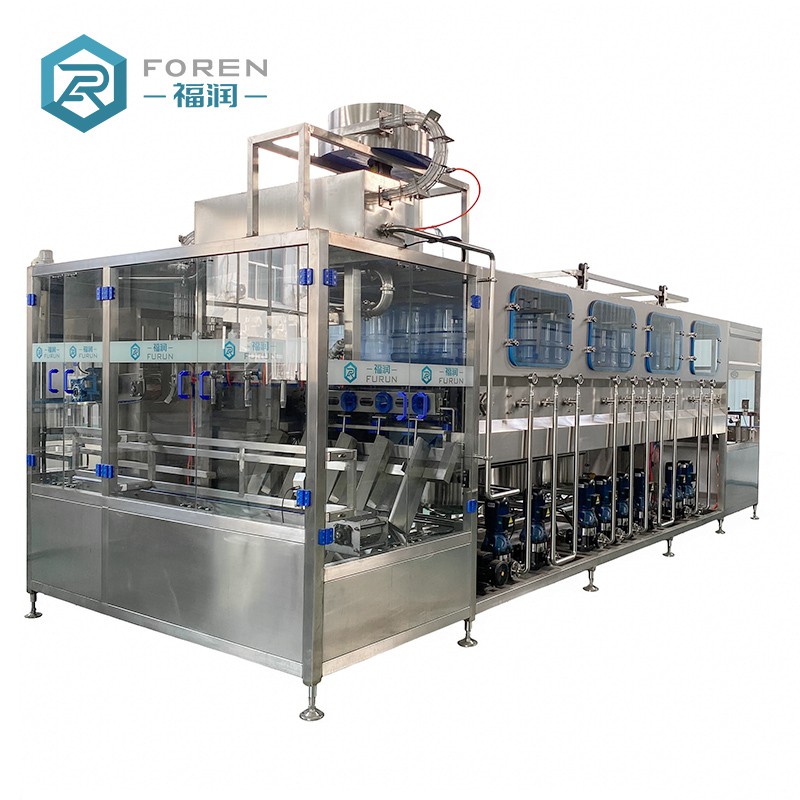
First off, let’s talk about what EDI equipment is. EDI, or Electronic Data Interchange, is a technology that allows businesses to exchange documents electronically in a standardized format. This can include things like purchase orders, invoices, and shipping notices. EDI equipment refers to the hardware and software used to send, receive, and process these electronic documents.
Now, when it comes to transporting EDI equipment, we’ve got several options on the table.
Air Freight
Air freight is one of the fastest ways to get EDI equipment from Point A to Point B. If you’re in a hurry to get your hands on new EDI gear, air shipping might be the way to go.
Advantages
- Speed: It’s seriously quick. Most international air shipments can be delivered within 1-3 business days, and domestic shipments can arrive in as little as a few hours. This means you can start using your new EDI equipment sooner and keep your business operations running smoothly.
- Reliability: Airlines have strict schedules, so there’s a good chance your shipment will arrive on time. They also have advanced tracking systems, so you can keep an eye on your EDI equipment every step of the way.
Disadvantages
- Cost: Air freight is typically more expensive than other shipping methods. The high cost of fuel, airport fees, and handling charges can add up quickly, especially for larger or heavier EDI equipment.
- Limited Capacity: Planes have limited cargo space, so if you’re shipping a large quantity of EDI equipment, you might need to make multiple shipments or find an alternative method.
Sea Freight
Sea freight is a popular choice for shipping EDI equipment, especially for international orders.
Advantages
- Cost-Effective: Sea freight is generally much cheaper than air freight, especially for large or heavy shipments. If you’re on a tight budget, this could be a great option.
- High Capacity: Ships can carry a massive amount of cargo, so you can ship large quantities of EDI equipment all at once.
Disadvantages
- Slow Speed: Sea freight is the slowest shipping method. Depending on the destination, it can take anywhere from a few weeks to a couple of months for your EDI equipment to arrive. This might not be ideal if you need your equipment urgently.
- Weather and Other Delays: Shipping by sea is subject to weather conditions, port congestion, and other factors that can cause delays. You’ll need to plan ahead and be prepared for potential hold-ups.
Road Freight
Road freight is a common choice for domestic shipments of EDI equipment, especially for shorter distances.
Advantages
- Flexibility: Trucks can deliver EDI equipment directly to your doorstep, which is super convenient. You can also choose the delivery time that works best for you.
- Cost-Effective for Short Distances: For local or regional shipments, road freight can be a cost-effective option.
Disadvantages
- Limited Range: Road freight is not suitable for long-distance or international shipments. The range of trucks is limited, and crossing international borders can be complicated.
- Traffic and Weather: Like with sea freight, road freight can be affected by traffic jams, road closures, and bad weather, which can cause delays.
Rail Freight
Rail freight is another option for shipping EDI equipment, especially for large shipments over long distances.
Advantages
- Cost-Effective for Long Distances: Rail freight can be more cost-effective than road freight for long-haul shipments. Rails can handle large volumes of cargo at a lower cost per ton-mile.
- Eco-Friendly: Trains are generally more environmentally friendly than trucks or planes, as they produce fewer emissions per ton of cargo transported.
Disadvantages
- Limited Delivery Options: Rail freight usually requires additional transportation to get the EDI equipment from the rail terminal to the final destination, which can add to the cost and time.
- Schedule Constraints: Trains run on fixed schedules, so you might need to plan your shipment in advance to ensure it fits into the available train schedules.
So, which transportation method should you choose for your EDI equipment? Well, it depends on several factors:
- Urgency: If you need your EDI equipment right away, air freight is your best bet. But if you can wait a little longer, sea freight or rail freight might be more cost-effective.
- Volume and Weight: For large or heavy shipments, sea freight or rail freight might be more suitable. For smaller shipments, air or road freight could be a better choice.
- Budget: If cost is a major concern, you’ll want to compare the prices of different shipping methods and choose the one that fits your budget.
- Destination: Consider the location of your destination. If it’s far away or overseas, air or sea freight might be necessary. If it’s within the country, road or rail freight could work.
At our company, we understand that every customer’s needs are different. That’s why we work closely with our clients to determine the best transportation method for their EDI equipment. We have partnerships with leading shipping companies, so we can offer competitive rates and reliable service.
Whether you’re a small business looking to upgrade your EDI system or a large corporation in need of a bulk order, we’ve got you covered. We’ll handle all the logistics, from packing and labeling your EDI equipment to coordinating the shipping.
And here’s the deal – if you’re interested in purchasing EDI equipment from us, we’re more than happy to discuss your shipping options in detail. Just reach out to us, and we can have a chat about what’s best for you. We’ll make sure your EDI equipment gets to you safely and on time.

So don’t hesitate! Contact us today to start the conversation about your EDI equipment needs and the best way to get it to you.
Containerized Water Treatment Systems References
- International Air Transport Association (IATA) Cargo Guidelines
- International Maritime Organization (IMO) Shipping Regulations
- Federal Motor Carrier Safety Administration (FMCSA) Road Freight Regulations
- Association of American Railroads (AAR) Rail Freight Standards
Qingzhou Foren Water Treatment Equipment Co., Ltd.
As one of the most professional edi equipment manufacturers and suppliers in China, we offer a wide range of products with superior quality. Please feel free to buy customized edi equipment made in China here from our factory. Contact us for quotation.
Address: No.999 Haidai North Road, Economic development Zone, Qingzhou City, Shandong Province
E-mail: alice@forenwater.com
WebSite: https://www.forenwater.com/
