Hey there! I’m a supplier of Jet Turbines LiFePO4 batteries, and I often get asked about the self – discharge rate of these batteries. So, I thought I’d write this blog to share some insights with you. Jet Turbines LiFePO4 Battery

First off, let’s talk about what self – discharge is. Self – discharge is the process where a battery loses its charge over time even when it’s not being used. It’s like your phone battery slowly losing power when it’s just sitting on your nightstand. For LiFePO4 batteries, this is an important factor to consider, especially for applications where the battery might be stored for a while before use.
The self – discharge rate of Jet Turbines LiFePO4 batteries is quite low compared to many other battery types. On average, these batteries have a self – discharge rate of around 1 – 3% per month. That means if you fully charge a battery and then leave it sitting, after a month, it’ll only lose 1 – 3% of its charge. This is a huge advantage, especially for applications like backup power systems or in vehicles that might not be used every day.
Why is this low self – discharge rate so great? Well, for starters, it means you can store the batteries for longer periods without having to worry too much about them losing their charge. If you have a backup power system in your home, you can be confident that the Jet Turbines LiFePO4 battery will still have a significant amount of charge when you need it, even if it’s been sitting idle for a few months.
Let’s dig a bit deeper into the science behind the low self – discharge rate. LiFePO4 batteries have a stable chemical structure. The lithium iron phosphate material used in these batteries has a unique crystal structure that helps to keep the lithium ions in place when the battery is at rest. This reduces the movement of ions that would otherwise lead to self – discharge.
Another factor is the quality of the manufacturing process. At Jet Turbines, we use high – quality materials and strict manufacturing standards. This ensures that the batteries are well – sealed and free from any internal short – circuits or other issues that could increase the self – discharge rate.
Now, let’s compare the self – discharge rate of Jet Turbines LiFePO4 batteries with other common battery types. Lead – acid batteries, for example, have a much higher self – discharge rate. They can lose around 5 – 10% of their charge per month. This means that if you store a lead – acid battery for a few months, it could be almost completely discharged by the time you need it. Nickel – cadmium (NiCd) batteries also have a relatively high self – discharge rate, often around 15 – 20% per month.
The low self – discharge rate of Jet Turbines LiFePO4 batteries also has implications for their lifespan. Since the battery isn’t constantly losing charge and then having to be recharged, it experiences less stress. This can lead to a longer overall lifespan for the battery. In fact, LiFePO4 batteries can typically last for 2000 – 5000 charge – discharge cycles, which is much more than lead – acid or NiCd batteries.
For those of you who are using these batteries in solar power systems, the low self – discharge rate is a real plus. Solar power systems often rely on batteries to store the energy generated during the day for use at night. With a low self – discharge rate, you can be sure that the energy stored in the Jet Turbines LiFePO4 battery will be there when you need it.
In the automotive industry, the low self – discharge rate is also a big advantage. Electric vehicles (EVs) and hybrid vehicles often have periods where they’re not in use. With a Jet Turbines LiFePO4 battery, you don’t have to worry about the battery losing too much charge during these idle periods. This means that when you’re ready to hit the road, your vehicle will be ready too.
Now, you might be wondering how to maintain the low self – discharge rate of your Jet Turbines LiFePO4 battery. It’s actually quite simple. First, store the battery in a cool, dry place. High temperatures can increase the self – discharge rate, so keeping the battery at a moderate temperature is key. Also, make sure to charge the battery regularly, even if it’s not being used. This helps to keep the battery in good condition and can further reduce the self – discharge rate.
If you’re in the market for a high – quality battery with a low self – discharge rate, Jet Turbines LiFePO4 batteries are a great choice. Whether you’re using them for a backup power system, a solar power setup, or in an electric vehicle, these batteries offer reliable performance and long – term savings.
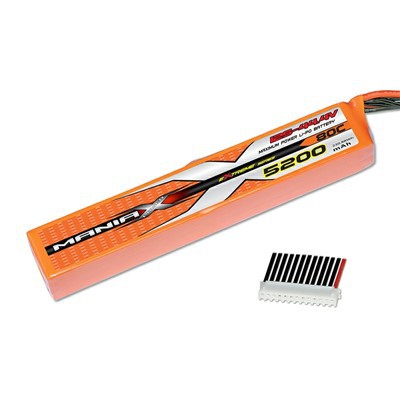
If you’re interested in learning more about our Jet Turbines LiFePO4 batteries or want to discuss a potential purchase, feel free to reach out. We’re always happy to answer any questions you might have and help you find the right battery for your needs.
30C-35C RC Aircraft Lipo Battery References:
- "Battery Technology Handbook"
- "Lithium – Ion Battery Research and Development"
- Industry reports on battery performance and self – discharge rates.
ManiaX Power Technology Co., Ltd.
ManiaX Power Technology Co., Ltd. is one of the most reliable jet turbines lifepo4 battery manufacturers and suppliers in China, also supports customized service. Please feel free to wholesale bulk durable jet turbines lifepo4 battery made in China here from our factory.
Address: Room 1508, 15/F, Two Grand tower, 625 Nathan Road, Kowloon, HongKong. P.R. China
E-mail: info@maniax-power.com
WebSite: https://www.maniaxpower.com/
