If you’re running a CNC setup, you know linear rails are the unsung heroes here. They handle all the heavy lifting when your machine’s moving parts glide back and forth, but let’s be real—rust on them is one of the most annoying, and costly, headaches to deal with. I’ve been supplying CNC linear rails for years, and I’ve seen first-hand what happens when a customer ignores that tiny rust spot on their rail: inconsistent cuts, premature wear, even a whole machine out of commission for days. No one wants that, right? So today, I’m walking you through exactly how to get rust off your linear rails safely, without messing up their precision, and what to do to keep it from coming back. CNC Linear Rails
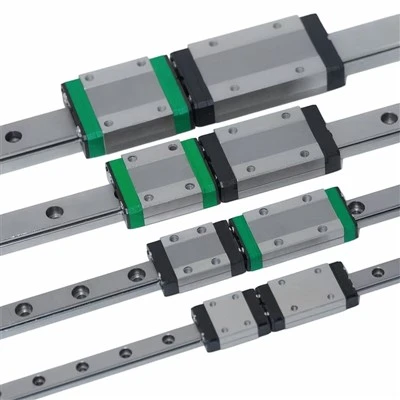
First, let’s get one thing straight: not all rust is the same, and not all rails are the same. When I supply rails to shops, I always tell them to check the material first. Most CNC linear rails we sell are either hardened steel (the standard for most industrial and hobby machines) or stainless steel. Stainless is way more rust-resistant, but even it can develop surface rust if left exposed to moisture for too long. Hardened steel, though? It’s a magnet for rust—even a single drop of coolant, a spill of water, or just high humidity in your workshop can start the pitting before you even notice it. That’s why catching rust early is key. If you wait until it’s deep, you might have to replace the rail entirely, which is a way bigger bill than a quick cleanup.
Let’s start with the early-stage rust—like that light, powdery orange stuff you can rub off with a cloth. This is the easiest to deal with, and it’s super common if your machine’s not in a climate-controlled space. First, you want to prep the area, but don’t overcomplicate it. I see a lot of people yanking the rail out of the machine right away, and that works if you have the space, but if it’s a tight setup, you can work on it in place too. Just make sure to turn off your CNC completely first—safety first, always. Then, grab a lint-free cloth (avoid paper towels, they leave tiny fibers that can get stuck in the rail’s grooves) and a degreaser. Wait, not the harsh oven cleaner kind—pick a mild industrial degreaser or even isopropyl alcohol (91% or higher, not the 70% stuff you use for cleaning electronics). Spray a little on the cloth, not directly on the rail, and wipe down the whole rail to get rid of any oil, coolant, or grime that’s mixed with the rust. If you spray directly, liquid can seep into the rail’s ball bearings, which is a quick way to ruin those.
Next, the actual rust removal for light cases. You can use a non-abrasive steel wool, like 0000 grade—it’s fine enough that it won’t scratch the hardened steel, but tough enough to lift that surface rust. Rub along the length of the rail, not back and forth across it—scratches across the rail are the worst for precision, they’ll throw off your cuts. Keep a second clean cloth handy to wipe away the rust as you go. Once that powdery stuff is gone, don’t stop there. Grab a little of a light lubricant—we supply a specific rail lubricant, but even motor oil or white lithium grease works for a quick fix—and wipe the rail down again. This leaves a protective layer so moisture can’t get back in right away. For stainless steel rail surface rust, this method works too, just be extra gentle so you don’t scratch the protective oxide layer that keeps stainless from rusting.
Now, what if the rust’s a little more advanced? Like, it’s turned dark orange, and it’s starting to get into the surface of the steel—tiny pits that you can feel with your finger. This is where surface rust becomes a bigger problem, and you need to be careful not to remove too much material, because that will mess up the rail’s fit in your machine. First, same as before: degrease the whole rail. Then, instead of steel wool, you can use a plastic abrasive pad, like a Scotch-Brite Light Duty pad. It’s milder than steel wool, so less risk of scratching, but it can tackle deeper surface rust. If that’s not enough, you can use a rust dissolver—pick one that’s specifically for metal, not the kind for tools with sharp edges, it’ll be too harsh. Apply the dissolver to a cloth, let it sit for 5-10 minutes (don’t leave it longer than that, it can eat at the steel), then wipe away. For pitted areas, you might need to do a light pass with a 000 grade steel wool after, just to smooth out the edges. Once the rust’s gone, make sure to wash the rail with a little degreaser to get all the dissolver residue off—residue left behind can attract new moisture, which means more rust next month. Then, lubricate immediately.
Wait, what about if the rail is really rusted—like, you can see rust on the ball bearings themselves? That’s a bigger deal, because the bearings are the part that actually moves along the rail. If the bearings have rust, you shouldn’t just clean them in place—you’ll ruin the precision. Here, you need to remove the carriage from the rail first. Most carriages have a small Allen screw on the side that locks it in place, just loosen that, slide the carriage off, and set it aside. Then, clean the rail the same way we talked about, and for the carriage, you can use a rust dissolver on a toothbrush to get into the bearing grooves. After that, rinse everything with isopropyl alcohol, dry it completely (this is non-negotiable—any water left will turn back to rust), lubricate the bearings and the rail, then slide the carriage back on and tighten the lock screw. Easy as that.
Now, I can’t tell you how many customers ask me, “Why does my rail keep rusting?” It’s not just bad luck. 90% of the time, it’s a small maintenance mistake they’re making. First, if your machine’s not using the rail’s full length, make sure to move the carriage along the rail every couple of weeks if you’re not using the CNC regularly. Static moisture can settle in the empty spots, right on the steel rail. Second, never leave your CNC with coolant or water pooled on the base of the machine—wiping that up after every use is a quick step that saves so much hassle. Third, if you’re storing extra rails, keep them in a dry cabinet, or wrap them in a rust-inhibiting paper, not just regular plastic. Plastic traps moisture, that’s the last thing you want. And when you do lubricate, don’t overdo it—too much grease will attract dust and metal shavings, which are way worse for your rails than a little rust. I recommend lubricating every 50 hours of use for hobby machines, every 100 for industrial ones, just a light wipe along the rail is enough.
Wait, one common mistake I see people make is using sandpaper to remove rust. Bad idea. Even 2000-grit sandpaper can leave micro-scratches on the rail, and those scratches will catch on the ball bearings, cause friction, and shorten the rail’s lifespan. We’ve had customers come to us with rails that were supposed to last 10 years, but they ruined them with sandpaper in 6 months—total waste of money on a good rail. So skip the sandpaper, stick to the steel wool or abrasive pads. Another mistake: using a wire brush. That’s even worse, it leaves deep gouges in the steel, you’ll have to replace the rail way sooner than you should.
Now, what if you’ve tried all this and the rust is really bad—like, it’s eating through the rail, or the carriage is sticking so bad it’s ruining your cuts? That’s when it’s time to replace the rail. Don’t try to force it, because a worn or rusted rail will cause misalignment that can mess up your whole machine, even your tooling. When you’re buying a new rail, make sure to get one that matches the size and type you already have—don’t just grab a random one, because the precision ratings (we label all our rails with their accuracy grade, like H or P) have to match. If you’re not sure what size you need, just reach out, we can help.
At the end of the day, keeping your linear rails rust-free is all about small, consistent steps. A quick wipe-down after use, checking for moisture every week, and cleaning early when you see that tiny spot of orange—these things add up to way less downtime and longer life for your rails. And if you run into a big problem, or you’re not sure if you can fix it yourself, don’t hesitate to reach out. I’ve been supplying CNC linear rails for years, and I’ve worked on everything from hobby mills to industrial lathes. Whatever your setup is, I can walk you through it, or help you pick out a replacement if needed.
If you’ve got questions about your specific rails, need advice on maintenance, or you’re ready to grab some new rails or parts for your setup, feel free to reach out to discuss your needs directly. We’re here to help make your CNC experience run smoothly, no headaches included.
CNC Linear Rails References
- ASME B5.24-2017, Linear Motion Rolling Bearings and Ways – Load Ratings and Life Adjustment Factors
- ISO 12004-2:2019, Metallic materials – Sheet and strip – Determination of forming limit curves – Part 2: Uniaxial tension test method
- Machinery’s Handbook, 31st Edition, Industrial Press, 2020, Section on Linear Motion Systems and Corrosion Prevention
Zhejiang Jiarun Hardware Co., Ltd.
As one of the most experienced CNC linear rails manufacturers and suppliers in China, also support customized service. Please feel free to wholesale high quality CNC linear rails made in China here from our factory. Welcome to contact us for quotation.
Address: Guolu Village, Shifan Subdistrict, Yueqing City, Wenzhou City, Zhejiang Province
E-mail: 18066359699@163.com
WebSite: https://www.steeltk.com/
