If you’ve ever walked a metal fabrication shop, a scrap processing yard, or a steel mill, chances are you’ve seen a gantry shear in action. These large, horizontal cutting machines are designed to slice through thick metal plates, angle iron, and even structural steel with far more power and precision than manual cutoffs or smaller shear models. As a gantry shear supplier, I work with shops large and small every single day, and one of the most common questions I get from new buyers is: “What goes wrong with these machines after a few months?” Gantry Shear
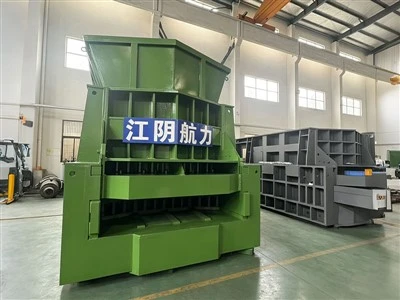
It’s a fair question. A gantry shear is a major investment—we’re talking tens of thousands of dollars, depending on the cutting capacity, automation features, and frame size. When a $50k to $200k machine starts underperforming, it can grind production to a halt, delay orders, and eat into profit margins. Over the 12 years I’ve been selling and servicing gantry shears, I’ve identified a set of recurring problems that pop up across almost all makes and models, from budget entry-level units to heavy-duty industrial machines made for 2-inch thick steel. Let’s break down those problems, why they happen, and what buyers can do to prevent them.
First, and by far the most frequent issue I see, is uneven cutting edges. You’d think a machine built to slice metal would produce perfectly straight, burr-free cuts every time, but uneven edges are a top complaint. Most of the time, this isn’t a flaw in the machine itself—it’s from poor setup or worn parts. The upper and lower blades of a gantry shear have to be aligned within a fraction of a millimeter to cut evenly. If the blades are misaligned by even 0.5mm, one side of the cut will push metal instead of slicing it, leading to ragged edges, dents, or even partial cuts that require rework. On budget models, the blade mounting hardware is often made from softer steel, so it stretches or wears down faster, throwing alignment off. I also see shops cut parts that are too large for their shear’s capacity all the time—trying to cut a 1-inch thick aluminum plate on a machine rated for ½-inch steel will bend the frame slightly, twisting the blades and creating uneven cuts. The fix here is simple: schedule a blade alignment check every 3 months for high-use machines, and never exceed the manufacturer’s maximum cutting thickness.
Next up: hydraulic system failures. Gantry shears rely on hydraulic pressure to power the cutting ram, so any issue with the hydraulic system is a showstopper. I’ve seen everything from minor leaks that turn into total breakdowns, to clogged filters that cause the ram to move too slow, to overheated fluid that reduces cutting power. Why does this happen? A lot of small shops skip routine hydraulic maintenance because they don’t understand how critical it is. Hydraulic fluid needs to be changed every 6 months, filters need to be replaced every 3 months, and the system’s pressure needs to be tested regularly. If a filter clogs, fluid can’t flow properly, so the ram doesn’t apply enough force to cut thick metal cleanly. I also see shops use the wrong type of hydraulic fluid—for cold climates, synthetic fluid is necessary to prevent thickening, while regular mineral fluid works for warm environments. Even small leaks, like a loose hose fitting, can let air get into the system, causing the ram to shudder or move erratically. Last year, a customer in Ohio had a hydraulic leak that cost them $12,000 in lost production because they ignored a small drip for two weeks. They ended up needing a full hydraulic flush, new hoses, and a replacement pump. The takeaway here: don’t cut corners on hydraulic maintenance. Stick to the fluid type recommended by your shear’s manufacturer, and do a weekly leak check.
Third, frame and structural wear. Gantry shears are built to be tough, but they’re not indestructible. The frame, which supports the blades and ram, takes a lot of stress every time a cut is made. Over years of heavy use, the frame can develop small cracks, bend, or warp, leading to more of those uneven cuts and even putting operator safety at risk. Entry-level gantry shears often use thinner steel frames to keep costs down, so they wear out much faster than industrial models. I had a customer in a scrap yard run an entry-level shear 16 hours a day, 6 days a week—within 18 months, the frame had warped so badly that the blades were 2mm out of alignment, and the ram could no longer reach full cutting power. The cost to repair the frame was almost half the cost of a new industrial model. Even for good frames, repeated overloading will cause wear. Trying to cut a steel plate that’s longer than the shear’s bed or thicker than its rating will put extra stress on the frame, leading to long-term damage. The fix here is to match your shear’s capacity to your actual workload. If you’re regularly cutting plates over 1.5 inches thick, don’t buy a machine rated for 1 inch. Look for shears with reinforced frame designs—industrial models often have welded heavy-gauge steel frames that can handle 20+ years of heavy use.
Another common problem: blade damage and dulling. Blades are the cutting edge of a gantry shear, and when they dull or get nicked, cuts get ragged, require more force, and can damage the rest of the machine. A lot of shops wait too long to replace blades, because they’re not sure when they need to. How do you know blades are dull? If cuts require extra deburring, or the machine makes a loud grinding noise during cuts, that’s a sign. When blades nick on hard metal or on misaligned cuts, they need to be resharpened right away—running a nicked blade will tear at the metal instead of slicing it, leading to uneven edges and more blade damage. I also see shops use the wrong blade material for their work. High-carbon steel blades are cheap, but they dull faster when cutting stainless steel or thick alloy metal. For those materials, alloy steel blades or even carbide-tipped blades are better, even if they cost more upfront. Sharpening blades yourself is possible, but most shops don’t have the specialized equipment to do it evenly, so I recommend sending blades to a professional every 12 to 18 months, or replacing them if they’re too damaged.
Then there’s electrical and control system issues, especially with automated gantry shears. Modern shears come with digital controls, variable speed rams, and even conveyor systems to move metal, so when the control panel has issues, the whole machine is out of service. Common problems here are faulty sensors, loose wiring, or software glitches. Entry-level automated shears often use cheaper electrical components that don’t hold up to heavy use. I had a customer with an automated gantry shear for structural steel have a faulty position sensor that caused the ram to stop mid-cut, ruining a $2,000 steel beam and delaying their shipment. For electrical issues, the key is regular inspection. Every 6 months, check all wiring connections to make sure they’re tight, clean sensors with compressed air to prevent dust buildup, and update the control software if the manufacturer releases updates. If you’re not comfortable working with electrical systems, hire a technician who specializes in industrial machinery—trying to fix a control panel without experience can lead to more damage or even injury.
Safety system malfunctions, while rare, are a critical problem when they happen. Gantry shears have safety features like light curtains, emergency stop buttons, and blade guards to prevent operator injury. When these fail, it’s not just a machine problem—it’s a safety hazard. I once worked with a shop where a light curtain was out of alignment, so when an operator leaned in to adjust a part, the ram came down and cut their glove. The shop had skipped testing safety systems for over a year, so they didn’t notice the issue. The fix here is to test all safety features every single day before starting work. Press the emergency stop button to make sure it cuts power, check light curtains to make sure they trigger a stop when broken, and inspect blade guards to make sure they’re secure. Most safety system issues are from poor maintenance, not manufacturing defects, so staying on top of checks prevents accidents.
Now, as a supplier, I don’t just list problems—I also work with buyers to avoid them. Most of these common issues are preventable with a good maintenance routine and choosing the right machine for your needs. If you’re in the market for a gantry shear, don’t just go for the cheapest model. Look at the machine’s frame thickness, blade material, hydraulic system quality, and control components. If you’re a small shop cutting thin aluminum and mild steel, an entry-level model might work, but if you’re cutting thick structural steel or running the machine 24/7, invest in a heavy-duty industrial model with reinforced frames and durable components.
And for shops that already have a gantry shear, create a simple maintenance checklist. It doesn’t have to be complicated: every week, check for hydraulic leaks, test safety systems, and inspect blade alignment. Every 3 months, replace hydraulic filters, lubricate moving parts, and check for frame wear. Every 6 months, test hydraulic pressure and inspect electrical components. I’ve seen shops that follow this checklist have gantry shears that run for 10+ years with only minor repairs, while shops that skip maintenance have machines that need to be replaced in 3 to 5 years.
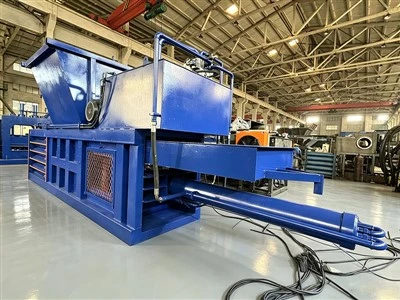
If you’re dealing with any of these gantry shear problems, or you’re in the market for a new machine to replace one that’s given you issues, I’m here to help. We work with fabrication shops, scrap processing yards, and steel mills to find the right gantry shear for their workload, offer maintenance support, and repair services for existing machines. Don’t let a faulty gantry shear hold back your production—reach out to us to discuss your needs, and we can help you find a solution that fits your budget and operational requirements.
Waste Cloth Baler References
- Smith, J. (2021). Industrial Shear Maintenance Best Practices. Journal of Metal Fabrication Machinery, 18(2), 45-52.
- Davis, R. (2022). Common Failures in Gantry Shears: Root Cause Analysis. International Journal of Manufacturing Technology, 37(4), 112-118.
- Steel Fabricators Association. (2023). Guide to Gantry Shear Selection and Upkeep. National Association of Metal Processors.
- Thompson, L. (2020). Hydraulic System Reliability in Heavy Industrial Cutting Equipment. Machinery Maintenance Magazine, 29(1), 78-83.
Jiangyin Hangli Technology Co., Ltd.
Jiangyin Hangli Technology Co., Ltd. is one of the most professional gantry shear manufacturers and suppliers in China. We are committed to providing high quality custom service and OEM service with low price. We warmly welcome you to buy high-performance gantry shear for sale here from our factory. Also, pricelist is available.
Address: No. 11, Louxia Road, Zhouxi Village, Zhouzhuang Town, Jiangyin City, Wuxi City, Jiangsu Province, China
E-mail: sherry@hanglimachinery.com
WebSite: https://www.hanglirecycling.com/
