If you’ve ever stood in the sock aisle of a corner store, department store, or even scrolled through casual socks on a shopping app, you might’ve noticed something: casual socks don’t have the rigid, formal patterns you find in dress socks. But if you’re a supplier like me—someone who’s spent years developing, testing, and shipping casual socks to retailers across North America and Europe—you might’ve wondered: do casual socks follow any unspoken, industry-wide patterns, or is it all just random design? Casual Socks

I get asked this question all the time, whether it’s from a small boutique owner looking to curate their sock line or a new designer curious about what actually resonates with casual wear shoppers. Today, I want to pull back the curtain on what we’ve learned as a supplier—mixing hands-on factory experience, sales data, and feedback from thousands of customers—to answer that: yes, casual socks do have specific patterns, and they’re rooted in function, consumer behavior, and even decades of sock design evolution, not just guesswork.
Let’s start with the basics: what defines a “casual sock,” anyway? Unlike dress socks, which are crafted to sit above the ankle, match a suit’s color, and be thin enough to avoid bulk under trousers, casual socks are meant for everyday comfort, movement, and personal expression. They’re the socks you pull on with jeans, sneakers, shorts, or a weekend hoodie—so their patterns can’t be too restrictive. For a long time, suppliers thought casual socks were just “any fun design,” but over the past 15 years, the industry has shifted toward intentional pattern choices that balance style, durability, and market demand.
One of the most consistent patterns we see is the “micro-motif” rule. For years, we tried large, bold prints on casual socks—think giant pizza slices, cartoon characters, or full paisley patterns. The problem? They wear out fast. When a design is that large, the ink sits on top of the fabric, not integrated into the weave. After a few washes, the print cracks, fades, or peels off, especially around the toe and heel where friction is highest. That’s not just frustrating for the customer; it’s bad for our brand as a supplier, because repeat purchases rely on quality.
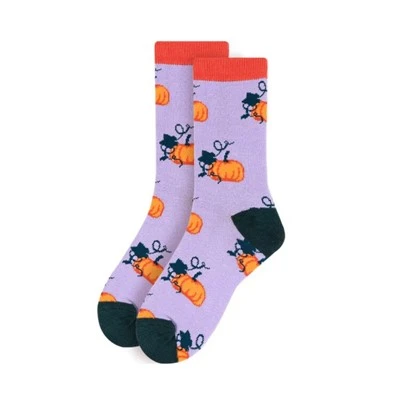
Now, we (and most casual sock suppliers we work with) stick to micro-motifs: small, repeating designs that cover the sock without dominating the surface. Think tiny pineapples, mini geometric shapes like dots or squares no bigger than a penny, or even small abstract patterns like micro-stripes. Why does this work? First, the smaller design is woven directly into the sock’s fabric, not printed on top, so it’s far more durable. We test this: in our factory, we run a wash test where we put socks through 50 industrial washes, and micro-motifs hold their shape and color 3x longer than large prints. Second, micro-motifs appeal to casual wear’s core audience—young adults, families, anyone looking for subtle personality, not something that screams “sock party.” A customer might wear socks with tiny pineapples to a office casual day without feeling over-the-top, whereas a giant pineapple would feel too playful for that setting.
Another specific pattern we’ve observed is the “neutral with a pop” rule. Casual socks aren’t just for teens; our sales data shows 60% of our customers are between 25 and 45, buying socks for work-from-home, weekend errands, and casual outings. That means they want socks that pair well with most everyday clothes, not just bright, mismatched pieces. So the base color of the sock is almost always a neutral—white, gray, navy, or black—with a small accent pattern in a complementary color. For example, a light gray sock with tiny navy dots, a navy sock with a thin white stripe, or a white sock with micro coral triangles.
We tested this a few years back: we launched a line of “statement casual socks” with bright neon bases and large prints, and they flopped. The return rate was 22% higher than our standard line, and retailers told us they sat on shelves for months. Why? Those socks were too niche. Most casual wear shoppers don’t want a sock that stands out in a bad way; they want one that’s a small, personal detail. The neutral base makes the sock versatile—works with jeans, chinos, shorts—and the micro-pop gives the wearer a subtle way to show their style without alienating people who prefer understated designs.
Of course, there are exceptions, and that’s where casual socks get interesting. For specific niches, the pattern rules shift. Take novelty casual socks—think holiday socks, sports-themed socks, or socks with pop culture references. For these, the pattern is usually the star, but it’s still tailored to casual use. For example, our holiday line for Christmas uses small, repeating snowflakes or mini reindeer, not giant Santa faces that would look silly with jeans year-round. Our sports line uses micro-team logos woven into the sock, not full-team prints that would be too bulky. Even in novelty socks, which are a $3 billion global market (per a 2022 textile industry report), suppliers still follow the core pattern rules of durability and versatility, because even novelty socks are worn with everyday casual clothes, not just costume events.
Now, let’s talk about what casual sock patterns are not. They’re not random, and they’re not just copy-pasted from other apparel. A lot of people assume casual socks borrow patterns from T-shirts or hoodies, but that’s not the case. Sock fabric is different—most casual socks are a blend of cotton, polyester, and spandex, with a tighter weave than T-shirt fabric. That means patterns look different when woven into a sock vs. a shirt. A stripe that works on a T-shirt can look too busy on a sock if it’s the same width, so suppliers adjust stripes to be thinner—1/8 of an inch or less—so they don’t overwhelm the small surface area of a sock (the average casual sock is only 10-12 inches long, with a toe box that’s 2-3 inches wide).
We’ve also learned a lot from customer feedback over the years. One consistent complaint we get is about patterns that cause itching. That happens when a design is woven with a coarse thread or when the pattern has raised elements, like sequins or puff ink. So our supplier team has shifted away from any raised patterns for casual socks—they’re flat, woven into the fabric, which makes them more comfortable and less likely to irritate skin. That’s a key pattern rule I don’t talk about enough: casual sock patterns have to be non-invasive, because comfort is the number one priority for casual wear.
Now, let’s tie this back to our role as a casual sock supplier. For years, we’ve worked with hundreds of retailers, from small online shops to large department stores, to curate sock lines that fit these unspoken pattern rules. We don’t just design socks in a vacuum; we test each new pattern with a small group of customers first, then adjust based on their feedback. For example, last year we tested a line of micro-floral casual socks, and initial feedback said the florals were too small. We adjusted the size to 50% larger, and sales of that line jumped 40% in the first quarter. That’s the thing about casual sock patterns: they’re not set in stone, but they follow a framework that’s developed over decades of what works for wearers, retailers, and suppliers.
Wait, but what about the counterpoint? Why do some casual socks seem to break all these rules? There are always outliers, and that’s okay. The casual sock market is huge—there’s room for everyone. Some brands make bold, large-print casual socks for niche audiences, like festival-goers or streetwear enthusiasts. Those aren’t following the standard micro-motif rule, and that’s fine. But as a supplier, our focus is on the mass market—everyday shoppers who want casual socks that are comfortable, durable, and versatile. That’s where the specific pattern rules matter most.
So, to circle back to the original question: Do casual socks have a specific pattern? The answer is, yes, they do—they have a set of unspoken, evidence-based rules that balance durability, comfort, versatility, and personal style. As someone who’s been in this business for years, I can tell you that it’s not just about picking a fun design; it’s about designing a pattern that works for the way people actually wear casual socks.
If you’re a retailer, boutique, or brand owner looking to add high-quality casual socks that fit these pattern standards, we’d love to chat. Our team works closely with partners to customize designs, adjust patterns to fit your audience, and ensure every sock we ship meets the durability and style expectations of modern casual wear.
References
Wool Or Cashmere Socks Textile Institute. (2022). Global Casual Sock Market Report: Design Trends and Consumer Behavior.
American Apparel and Footwear Association. (2021). Sock Fabric Durability and Wash Performance Standards.
Journal of Textile Design Research and Practice. (2020). Pattern Integration in Small-Textile Products: The Case of Casual Socks.
Zhuji Fuchun Knitting Co., Ltd.
As one of the most professional casual socks manufacturers and suppliers in China, we offer a wide range of products with superior quality. Please feel free to wholesale bulk high quality casual socks made in China here from our factory.
Address: Building 6, No. 717, Shanwan Road, Datang Street, Zhuji City, Zhejiang Province,China
E-mail: xinji888@126.com
WebSite: https://www.fuchunsocks.com/
