Let me start by saying this: when customers reach out to our team with questions about our all-in-one home energy storage systems, “weight” is almost never the first thing they ask about. Usually, it’s things like “how much can it power during an outage?” or “will it work with my existing solar panels?” But lately, more and more of our install partners and homeowners have been circling back to this number—curious about why it matters, and why a 10kWh all-in-one (AIO) storage unit might weigh more than a small refrigerator, or why a 15kWh model is still light enough to fit in a standard garage corner. As someone who’s been working with energy storage hardware for 8 years, troubleshooting shipping dents, helping install teams navigate tight crawl spaces, and walking homeowners through basement setups, I can tell you that the weight of an AIO home energy system isn’t just a random spec number—it’s a critical detail that ties to shipping costs, installation ease, and even how well the unit performs over time. Let’s break this down like we do on our weekly callouts to install crews, no fancy jargon, just real talk about what that number on the spec sheet actually means. All in One Home Energy Storage System

First, let’s get one thing straight: there’s no universal weight for an all-in-one home energy storage system. Unlike a water heater or a basic circuit breaker, AIO systems combine three core components—lithium-ion battery packs, a power inverter, and a battery management system (BMS)—all in one enclosure, and manufacturers tweak those components to hit different energy capacities, use cases, and budget points. Over the last three years, we’ve seen a huge range of weights across the AIO models we offer and the ones from other reputable suppliers. For context, our entry-level 5kWh AIO unit, designed for small homes or RVs that use solar to cover basic needs like lighting and a fridge, clocks in at 120 pounds. Step up to our mid-tier 10kWh model, the most popular option for suburban U.S. homes, and that number jumps to 215 pounds. For homeowners with larger solar arrays looking to power their entire home for 24+ hours during an outage, our top-tier 15kWh unit weighs in at 305 pounds. But I’ve seen AIO units as light as 95 pounds (cheap, low-capacity models that use smaller battery cells for tiny off-grid cabins) and as heavy as 380 pounds (industrial-grade AIO setups for multi-family homes that cram extra battery cells and a larger inverter into a thick steel frame). The sweet spot for most residential homes, though? It’s that 180 to 250 pound range, which is exactly where our most in-demand model falls.
Now, why does that weight swing so much between models? Let’s pull back the curtain on what’s inside the enclosure, because that’s where the pounds (and the engineering choices) live. The biggest contributor to weight is the lithium-ion battery pack itself. Not all lithium cells are equal—some are denser, meaning they hold more energy per pound, while cheaper, lower-density cells add extra weight to get the same energy output. For example, our 10kWh unit uses nickel-manganese-cobalt (NMC) cells, which are 30% denser than the lithium-iron-phosphate (LFP) cells used in some budget AIO systems, so our 10kWh unit is lighter than a competitor’s 10kWh model that uses LFP cells. That’s not just a “nice to have”—it’s a tradeoff between long-term performance and upfront cost. Denser cells hold their charge longer, last through more charge cycles, and are less prone to degradation in hot garages, which is why we go with NMC for most residential models, even if it means a slightly higher bill of materials.
Next, there’s the power inverter and BMS. The inverter’s job is to turn the DC power stored in the batteries into AC power that works with your home’s appliances, and the BMS keeps the battery pack safe, regulating temperature, charge rates, and preventing overheating. High-efficiency inverters that work seamlessly with both solar panels and grid power add a few pounds—usually 10 to 20 pounds, depending on how much power they can handle. A BMS for a large 15kWh system might add another 5 to 10 pounds, all to make sure the batteries don’t get damaged or become a fire hazard. Then there’s the enclosure itself, the big metal box that holds everything together. If you’re buying a budget AIO unit, chances are it’s a thin aluminum frame that weighs half of a steel enclosure, which saves a few pounds— but that thin frame also bends if you’re trying to lift it up a flight of stairs, or doesn’t stand up to freezing temperatures that can crack metal over time. Our AIO units use heavy-duty, powder-coated steel enclosures for residential use, which adds 35 to 40 pounds, but they’re tough enough to sit outdoors in snow, rain, or blazing sun without rusting. That’s a tradeoff, but we’ve had too many customers reach out to us after their cheap aluminum unit got dented during delivery, leading to battery damage, so we stopped cutting corners on enclosure strength.
Now, let’s talk about what that weight actually means for you, because a lot of customers look at that spec and think, “it’s just a number” until they’re the ones moving it or waiting for a delivery. First: installation. Our 10kWh unit at 215 pounds isn’t something you can lift by yourself—we always recommend two people for carrying, and our install team gives customers a heads up that if they plan on fitting it in a basement or garage, the doorway needs to be at least 32 inches wide, and no steps higher than 6 inches, because the unit is rigid and doesn’t bend. For our 15kWh model, we suggest a professional installer for a reason—lifting 305 pounds into a corner of your garage isn’t a DIY project, and trying to do it yourself can lead to back injuries or scratching the enclosure (which would void your warranty, by the way). We once had a customer try to wheel a 10kWh unit down a narrow hallway in his home, and the weight made the wheel’s axle snap, dented the side, and he had to pay for a replacement even though he’d only had it for three days. So the weight isn’t just a logistical note—it affects your installation plan before the first screw is even turned.
Then there’s shipping. The heavier the unit, the more it costs to get it to your home. We work with three different shipping carriers across the U.S., and our install partners tell us that a 120-pound 5kWh unit costs around $150 to ship, while that 305-pound 15kWh unit is closer to $350. That’s not a random fee—carriers charge by weight and size, so when we design our AIO units, we have to balance internal components to keep weight reasonable without sacrificing performance. We’ve spent six months tweaking the battery pack layout on our 10kWh model, moving the cells from the top of the enclosure to the bottom to lower the center of gravity (so it’s easier to carry) and shave off 10 pounds, which cut shipping costs for our customers by $50. Small changes like that make a big difference for people on a budget, and it’s something we prioritize over adding extra weight for “flashy” features that don’t matter.
Wait, but what about performance? Does a heavier AIO unit mean better performance? That’s a question we get all the time, and the short answer is: not always, but sometimes. A unit that’s heavier because it has denser battery cells and a high-quality inverter will perform better than a lighter unit that uses cheap cells and a small inverter. For example, our 10kWh unit weighs 215 pounds, and it can power a 2,000 square foot home for 8 hours during an outage, while a budget AIO unit from a big-box store that’s also 210 pounds might only power the same home for 4 hours, because their cells are less dense. On the flip side, a really heavy unit that’s 350 pounds but uses outdated, low-density cells is just wasting weight on extra metal that doesn’t add any usable power. We do testing in our lab every month, checking how much power each unit delivers per pound, and we adjust our designs to make sure every extra pound translates to better performance, not just extra metal.
I also want to talk about a common misconception: people think that because AIO units are “all in one,” their weight is a downside compared to splitting the components (like a separate battery pack and inverter that you install yourself). Some people will say, “I can buy a battery pack that’s only 100 pounds, plus an inverter that’s 20 pounds, so that’s only 120 pounds total, that’s lighter than your AIO.” But here’s the catch: when you split the components, you have to connect them yourself, and that adds extra hardware (wires, connectors, mounting brackets) that weighs more, plus it’s not enclosed, so you have to store those components separately. Our AIO unit has all that built in, so the total weight is a single box that’s ready to go once it’s installed, and you don’t have to run messy wires across your garage. We’ve had customers tell us they saved time and hassle by going with our AIO, even if it was 50 pounds heavier than splitting components, because the installation was done in half the time.
Now, if you’re reading this and you’re trying to figure out which AIO unit is right for your home, let’s cut to the chase: how do you use the weight spec to pick the right one? First, think about where you’re going to put it. If you’re putting it in a garage with a wide, flat entry, a 215-pound unit is perfect. If you have a narrow basement hallway or a small utility closet, ask us about our 5kWh unit, which is lighter and easier to fit in tight spaces. Second, factor in installation costs: a heavier unit might require two installers, which adds $100 to $200 to your bill, while a lighter unit can sometimes be moved by two people without professional help. Third, don’t fixate on the number alone—look at the energy capacity and performance specs too, because a 10-pound difference isn’t worth getting a unit that can’t power your home’s AC during a summer outage.
Over the last year, we’ve shipped AIO units to homes in all 50 U.S. states, from Alaska where garages get snowdrifts, to Florida where units sit in 90-degree basements, and we’ve adjusted our designs based on feedback from install crews. Last quarter, we got a note from an installer in Colorado who said their customers were struggling with lifting our 15kWh unit up a flight of stairs, so we worked with our engineering team to shave 15 pounds off the enclosure by using a thinner steel that’s still strong enough for cold temperatures, and added reinforced carry handles on the sides. That’s the kind of feedback we live on—we don’t just design units in a lab and ship them, we talk to installers and homeowners every week, so we know that the number on the spec sheet isn’t just a spec, it’s a real number that affects your life.
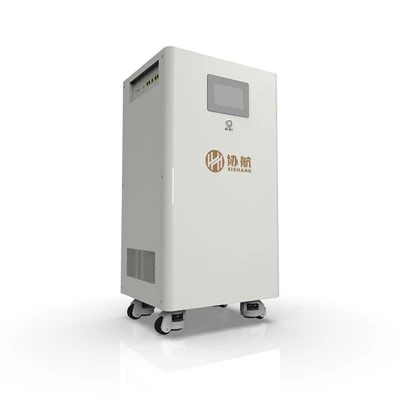
If you’re thinking about investing in an all-in-one home energy storage system, don’t stop at asking “how much does it weigh?”—ask why it weighs that much, how that weight affects installation and shipping, and whether that weight translates to reliable performance. Our team is here to walk you through all of that, no pressure, no confusing jargon. We’ve helped thousands of homeowners switch to solar and backup power, and we know that the best AIO system isn’t the heaviest or the lightest—it’s the one that fits your home, your budget, and your needs. If you’d like to talk through your options, ask more questions about weight, capacity, or installation, feel free to reach out to our team to connect and discuss your specific needs.
Home Energy Storage References
- National Renewable Energy Laboratory (NREL). (2022). Residential Energy Storage System Weight, Performance, and Installation Tradeoffs. U.S. Department of Energy.
- International Energy Agency (IEA). (2023). Lithium-Ion Battery Density Trends for Residential Energy Storage. IEA Energy Storage Technology Collaboration Programme.
- North American Board of Certified Energy Practitioners (NABCEP). (2021). Installation Guidelines for All-In-One Residential Energy Storage Systems. NABCEP Professional Standards.
- U.S. Department of Energy. (2022). Backup Power: Weight, Shipping, and Logistical Considerations for Residential Energy Storage. DOE Office of Energy Efficiency & Renewable Energy.
Zhejiang Xiehang New Energy Equipment Co., Ltd.
As one of the most professional all in one home energy storage system manufacturers and suppliers in China, our products have good reputation in the market. Please erst assured to wholesale custom made all in one home energy storage system from our factory. If you have any enquiry about cooperation, please feel free to email us.
Address: No.5 Hechen Road, Zhouwangmiao Town, Haining, Jiaxing City, Zhejiang Province, China
E-mail: dan.wu@xiehang.net
WebSite: https://www.shineonpower.com/
